A directory usually helps you find what you already know to look for. UNESCO’s World Heritage List can do that, but it also invites a different question: what makes a place matter to people far beyond its borders?
The list brings together cultural and natural places recognized for what UNESCO calls “outstanding universal value.” Its entries range from historic buildings and archaeological sites to forests, reefs and landscapes. Each record gives visitors a starting point for learning what a place is, where it is, and why it was recognized. Taken together, the directory presents heritage not as a collection owned by one country, but as something with significance that can cross national boundaries.
A list built around a shared idea
The system grew out of the 1972 Convention Concerning the Protection of the World Cultural and Natural Heritage. The convention joined two kinds of protection that had often been treated separately: safeguarding cultural landmarks and conserving natural places. Its central idea was that some heritage is important enough to merit international cooperation, while the country where a site is located remains central to its care.
That distinction matters. UNESCO does not take over a site when it appears on the list. Governments identify and nominate places, and the World Heritage Committee decides whether to inscribe them. Countries that join the convention accept responsibilities to identify, protect and conserve heritage within their borders. The list is therefore both a reference work and part of a wider agreement about stewardship.
How to read an entry
The directory is useful because it makes the reasoning behind recognition visible. UNESCO uses ten selection criteria: six relate to cultural heritage and four to natural heritage. A property must meet at least one criterion, along with other requirements concerning matters such as authenticity, integrity, protection and management.
Those standards help explain why a site is included, rather than leaving its status as a bare label. An entry can identify the criteria applied and provide a description of the property. The record is a concise introduction, not a complete account of local history, meaning or debate. It points toward the questions a curious reader can pursue next: what is being protected, how is it managed, and whose experiences shape the story of the place?
Looking across the directory also reveals the range of what heritage can mean. A single property might be a building or a large landscape; some entries cover connected places in more than one country. The list’s common framework makes these very different places searchable together without claiming they are alike.
Recognition is not the same as protection
Being listed can raise a site’s profile and make its conservation needs more visible. But inscription is not a force field. The designation does not by itself prevent damage, settle conflicts over land use, or supply every resource required for long-term care. Protection depends on laws, management, local knowledge and ongoing work by the responsible authorities and communities.
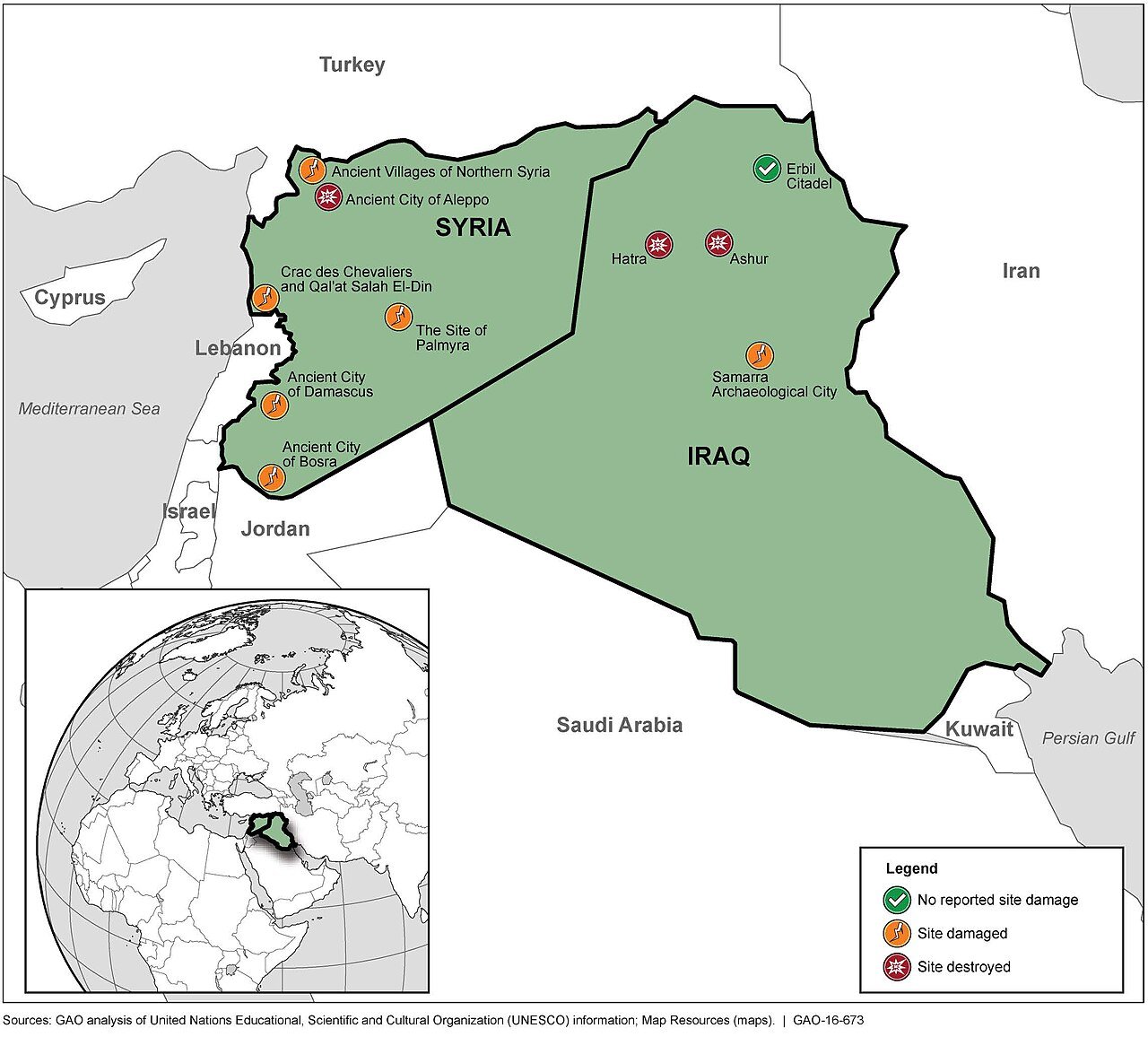
UNESCO’s List of World Heritage in Danger makes that limit especially clear. It identifies listed properties facing serious and specific threats, drawing attention to conditions that may require conservation action. Its existence is a reminder that recognition and vulnerability can coexist: a place can be valued internationally and still need urgent help.
That warning function is one reason the list is more than a tourist directory. It can help readers see not just where celebrated sites are, but also where their future is at risk. Still, the directory cannot substitute for detailed reporting or local voices. A short summary cannot capture every disagreement about how a place should be used, interpreted or protected.
A way into a wider map
For a traveler, teacher or student, the list offers an approachable route into global heritage. Searching by place or category can turn a familiar landmark into one point on a much larger map. For researchers and advocates, the entries provide a shared reference for comparing sites and following their official status. For communities, recognition can bring attention to heritage that might otherwise be less visible internationally.
The value of the directory lies partly in its organization: criteria, descriptions and records make decisions easier to examine. But its deeper purpose is the idea behind those records—that places may hold meaning beyond the people who live closest to them, and that this wider interest comes with responsibilities.
That promise is not fulfilled simply by adding a name to a list. The directory can point, explain and alert. The lasting work happens on the ground, where people protect places and decide how their stories will be carried forward.