A dead 12-volt battery can leave a car unable to start, but jumper cables may help if another vehicle can provide a boost. The process is straightforward when you use the right connection points and connect the clamps in the correct order.
Cars differ, so your owner’s manual takes priority over general instructions. If the battery is damaged, leaking or swollen—or you cannot confirm the correct terminals—don’t try a jump-start. Call for roadside assistance instead.
What you’ll need
- A set of undamaged jumper cables with insulated clamps.
- A second vehicle whose manual permits it to provide a jump. Check both manuals for the correct voltage and connection points.
- A safe place to work, away from traffic.
Steps: connect and start the cars
- Choose a safe location. If you are stopped near traffic, prioritize getting yourself and passengers to a safe place and call for help. Don’t attempt a roadside jump where you would be exposed to passing vehicles.
- Check both owner’s manuals. Find each vehicle’s jump-start instructions. Some cars have remote positive and ground terminals rather than accessible battery posts. Follow the specified locations and any model-specific procedure; do not guess.
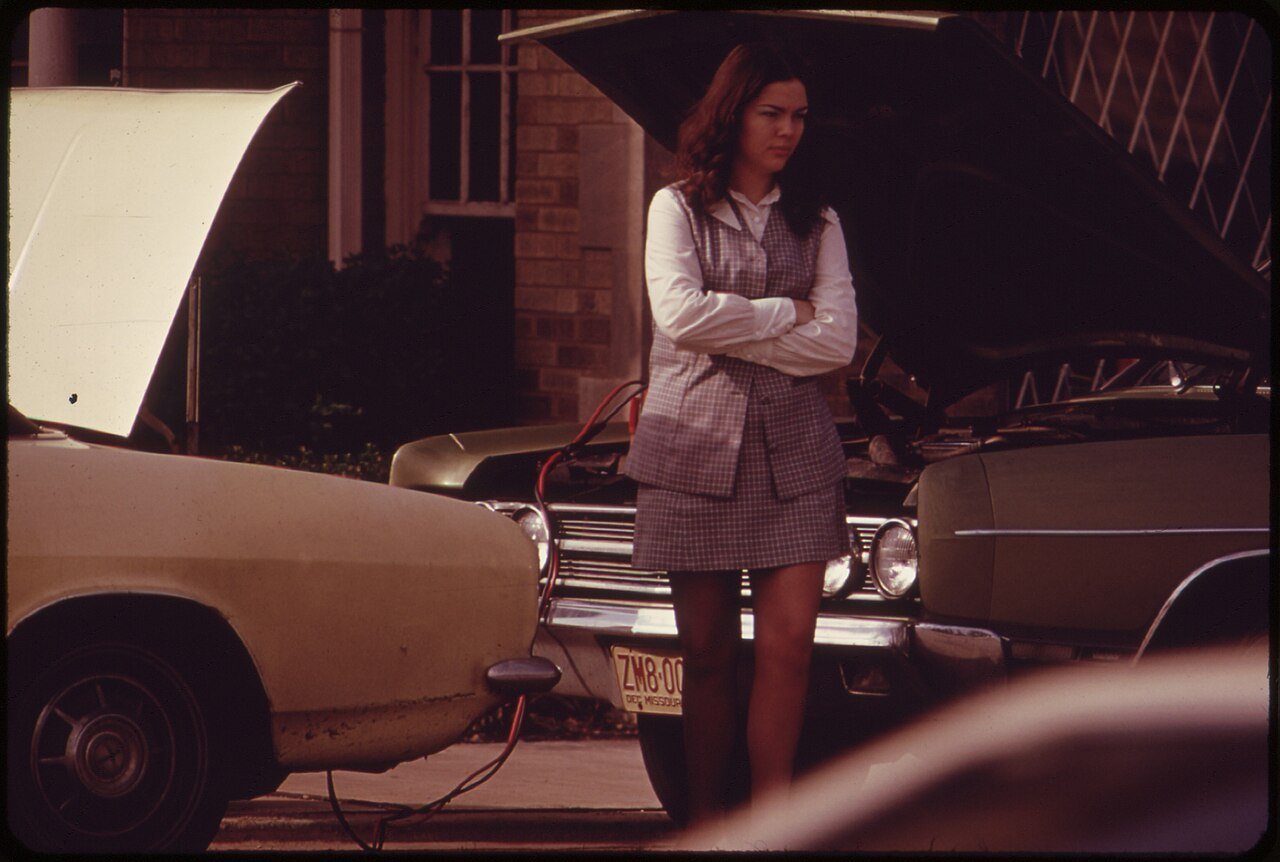
- Position the vehicles. Park close enough for the cables to reach, without letting the vehicles touch. Put both in Park (or in gear for a manual transmission), set the parking brakes and switch off the ignitions and electrical accessories.
- Inspect the battery and cables. Don’t proceed if the battery appears cracked, swollen, leaking or frozen, or if the cables are frayed or damaged. Keep flames and cigarettes away. If anything looks unsafe, stop and get assistance.
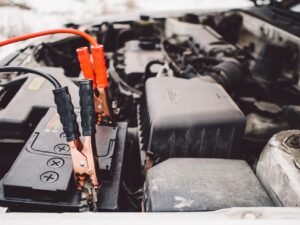
- Connect the first red clamp. Attach it to the positive (+) terminal or designated positive jump point on the car with the dead battery.
- Connect the second red clamp. Attach the other red clamp to the positive (+) terminal or designated positive jump point on the working vehicle.
- Connect one black clamp. Attach it to the negative (−) terminal or designated negative point on the working vehicle, as its manual directs.
- Connect the last black clamp. Attach it to the grounding point specified in the disabled car’s manual. If the manual directs you to use a metal ground, choose the designated unpainted metal point away from the battery and moving engine parts. Don’t place this final clamp wherever it happens to fit.
- Start the working vehicle. Let it run as directed by its manual. Keep clear of the engine compartment and cables. If the cables become hot, smoke, or make an unusual sound, switch off the vehicles if safe to do so and stop.
- Try starting the disabled car. Follow its manual, and avoid prolonged cranking. If it does not start after a few attempts, stop and call for help rather than continuing to try.
Disconnect the cables in reverse order
Once the car starts, remove the clamps in the reverse order of connection: first the black clamp from the grounding point on the car that needed the jump, then the black clamp from the working vehicle, followed by the red clamp from the working vehicle and the red clamp from the previously disabled car. Keep the clamps from touching each other or metal parts while removing them.
Follow both manuals for what to do next. A successful start does not establish that the battery is healthy or fully charged. If the car stalls, won’t start again, or the battery warning light remains on, arrange for the vehicle and charging system to be checked.
Tips and things to know
- Use the instructions for your exact vehicle. Battery locations, jump points and procedures vary. Hybrid and electric vehicles may have a 12-volt system for starting or accessories, but that does not mean they can be used as a donor vehicle or connected in the same way. Consult their manuals; never attempt to jump-start a high-voltage battery.
- Don’t rely on cable colors alone. Identify positive and negative markings on the terminals or jump points. Connecting clamps incorrectly can damage vehicles and create a serious hazard.
- Keep clamps and cables clear. Don’t let clamps touch, and keep cables away from fans, belts and other moving parts.
- Know when to stop. Unclear terminals, a damaged battery, unsuitable donor vehicle, or an unsuccessful start are reasons to use roadside assistance rather than improvise.
A careful jump-start is mostly about checking the manuals, using the designated connection points and following the connection order. Take your time, stop if anything seems wrong, and get help when the vehicle’s instructions or condition are unclear.