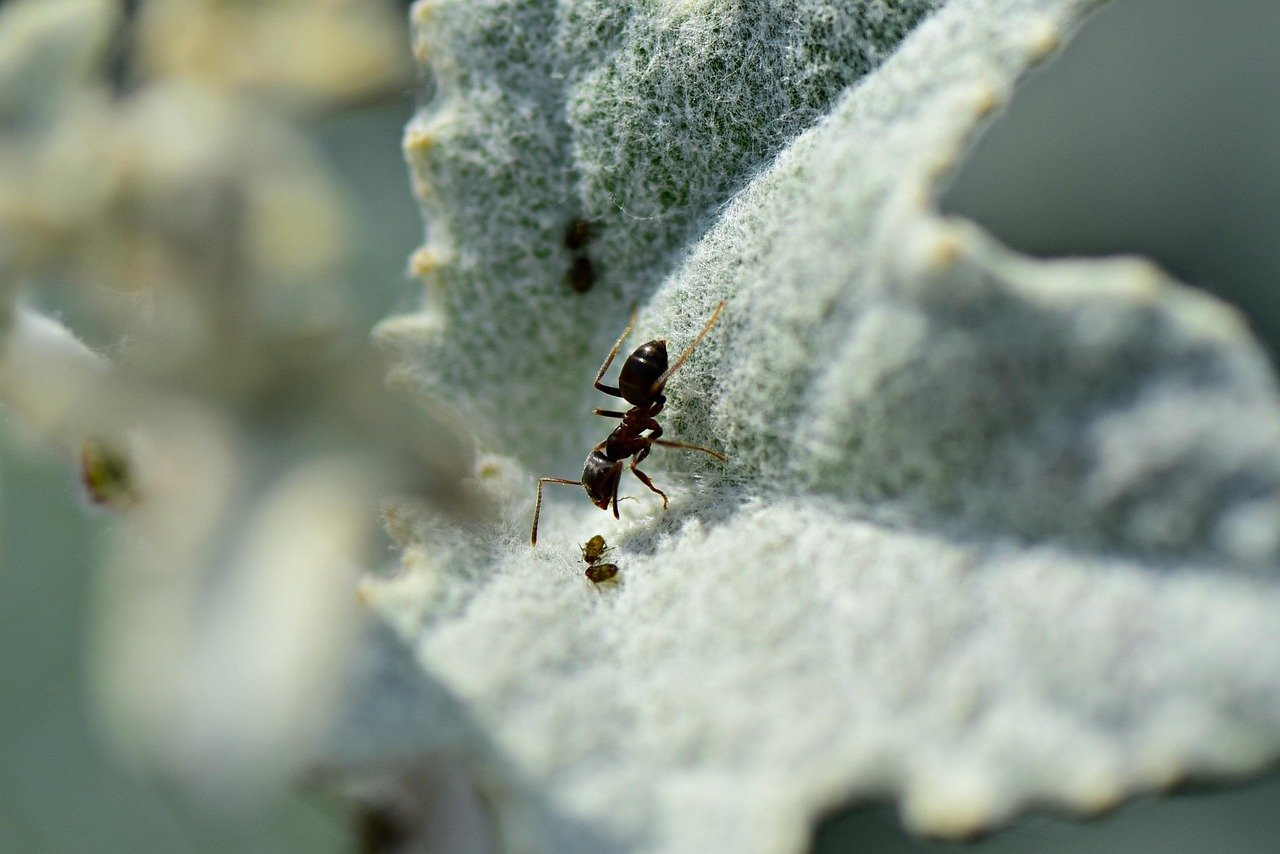
A cluster of small insects on a tender shoot can look like the start of a garden takeover. Then you spot ants moving up and down the stem. The two observations may be connected: some ants collect the sugary honeydew aphids leave behind and, in return, can protect the aphids from predators. That relationship is a reason to look closely—not a signal to spray everything in sight.
Aphids are common plant-feeding insects, and their presence alone does not mean a plant is in serious trouble. A better first step is to check how much damage is happening, whether the plant is still growing well, and whether beneficial insects are already doing the work. University of California’s Integrated Pest Management program and University of Minnesota Extension both recommend approaches that begin with monitoring and favor targeted controls over unnecessary broad-spectrum treatment.
Look for the signs, not just the ants
Aphids often gather on soft new growth, stems and the undersides of leaves. They may be green, black, yellow or another color, depending on the species and plant. Look for clusters of insects, distorted or curling leaves, sticky honeydew, or dark sooty mold growing on the honeydew. A few ants visiting a plant, by themselves, do not confirm that aphids are present.
Check several parts of the plant, including underneath leaves. Note whether the affected shoot is still growing and whether the infestation is limited to one area or spreading. Ants can tend some honeydew-producing insects, including aphids, but they do not create aphid infestations. If you find no aphids or other honeydew-producing pests, the ants may be there for another reason.
Give natural enemies a chance
Aphids have a number of natural enemies. Lady beetles, lacewing larvae and the larvae of some flower flies eat them; tiny parasitic wasps can develop inside aphids. A parasitized aphid may become a swollen, papery-looking shell. These helpful insects may take time to reduce a population, so a plant with a small, contained colony can be worth watching rather than treating immediately.
Ants may interfere with some of those predators while collecting honeydew. Even so, seeing ants does not mean the natural-control system has failed. Check for predators and for changes in the aphid population over several days. Avoid spraying beneficial insects simply because they are near the problem: identifying what is on the plant helps prevent a treatment from harming the insects that can suppress pests.
Try the least disruptive steps first
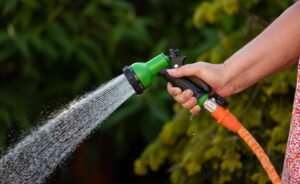
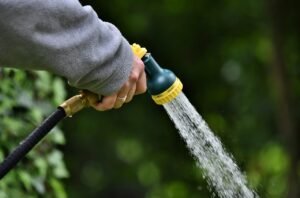
- Dislodge small colonies with water. A firm stream from a hose can knock aphids off stems and leaves. Aim at the affected areas, including leaf undersides, without damaging delicate growth. Check again and repeat if needed.
- Prune only badly affected tips when appropriate. If a small section is heavily infested and trimming will not spoil the plant, remove it and discard it. Avoid cutting back more than the plant can tolerate.
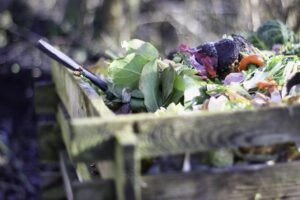
- Watch nitrogen and watering. Very lush, tender growth can attract aphids. Avoid excessive nitrogen fertilizer, and keep plants watered according to their needs rather than trying to manage pests by stressing them.
- Keep checking. Aphid numbers and predator activity can change quickly. Revisit the plant before deciding whether another step is necessary.
Ant activity may lessen if the aphid colony declines, but controlling ants alone is not a reliable substitute for checking the plant. If ants are nesting somewhere they create a separate problem, deal with that issue using a method appropriate to the location. Avoid placing ant baits or treatments where children, pets or wildlife could reach them, and follow the product label.
When a treatment may be justified
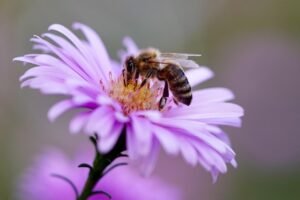
If aphids are numerous, damage is increasing, and washing or other simple measures are not enough, consider a product specifically labeled for the plant and pest. Insecticidal soap and horticultural oils can work only when they contact the insects, so coverage matters; they may also injure plants under some conditions. Follow the label’s directions, including any temperature limits and precautions for flowering plants or visiting pollinators. Do not assume a homemade dish-soap mixture is equivalent to a labeled garden product.
Broad-spectrum insecticides can kill aphids’ natural enemies as well as the pests. That can remove some of the garden’s built-in control and leave surviving aphids with fewer predators. Avoid treating flowers when pollinators are active, and never use a pesticide in a way the label does not permit. If the plant is valuable or the damage is severe, a local university extension or garden service can help identify the pest and recommend options suited to your region.
A useful rule for the next inspection
When ants and aphids appear together, start with the aphids: confirm they are there, assess the damage, and look for predators. A small colony on a vigorous plant may need no treatment. If intervention is warranted, begin with physical removal and reserve labeled products for a problem that persists. That measured approach protects the plant while giving its natural allies a chance to help.