A person’s own blood-forming stem cells can now be edited outside the body and returned as a treatment for sickle cell disease. In December 2023, the U.S. Food and Drug Administration approved two cell-based gene therapies for people aged 12 and older with the disease. One, Casgevy, became the first FDA-approved treatment to use CRISPR/Cas9 gene editing.
The approvals mark a real scientific advance: instead of relying only on ongoing medicines and other measures to reduce complications, eligible patients have a new treatment designed to change how their blood cells behave. But these therapies are complex, intensive procedures—not simple injections, and not a guarantee of a permanent cure. Their promise is best understood alongside the practical and medical demands they involve.
Why sickle cell disease can cause repeated crises
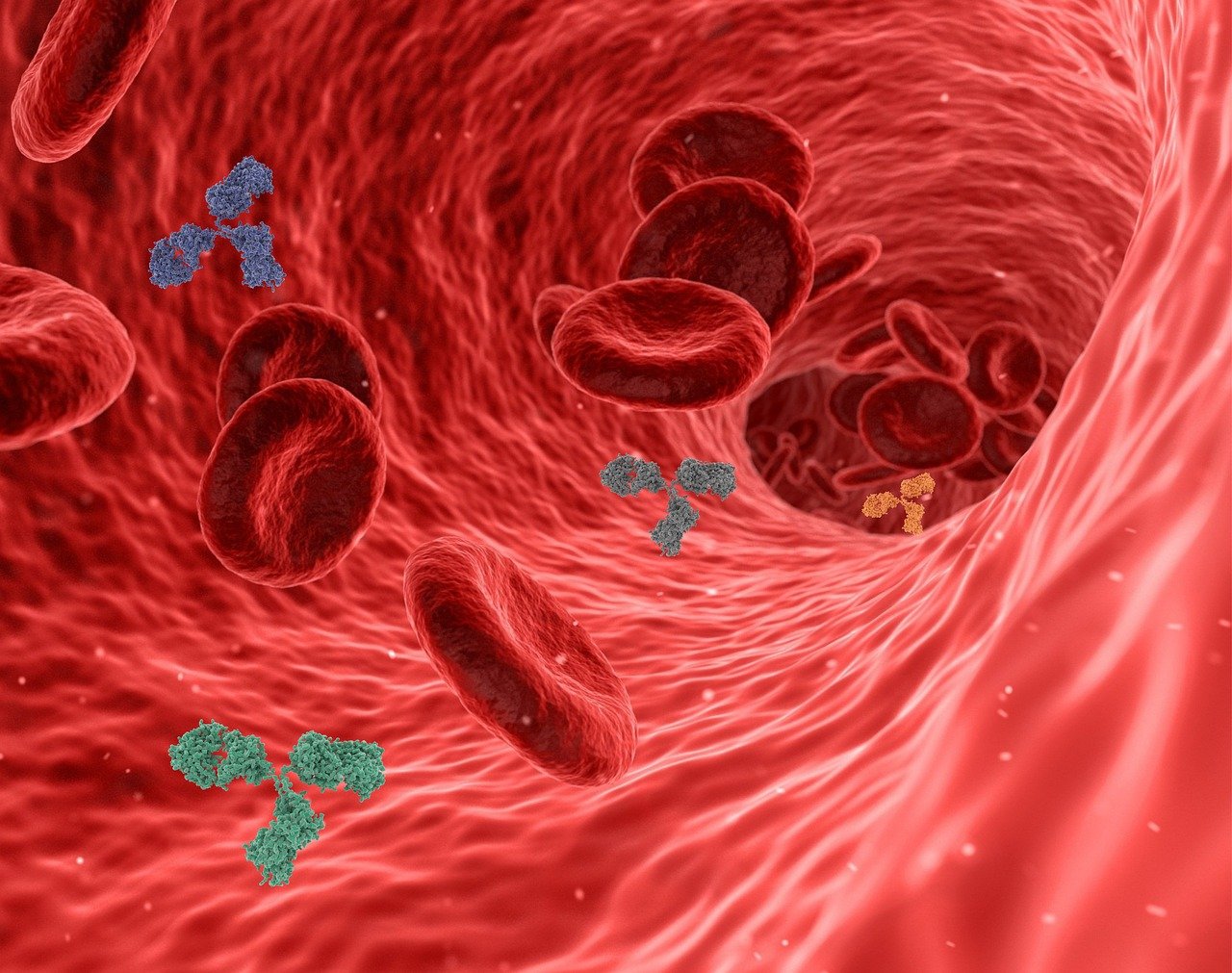
Sickle cell disease is inherited and affects hemoglobin, the protein red blood cells use to carry oxygen. In the most common form, a change in the hemoglobin gene can cause red blood cells to become rigid and sickle-shaped. These cells can obstruct small blood vessels, contributing to severe pain episodes called vaso-occlusive crises, as well as other serious complications.
Casgevy and the second approved therapy, Lyfgenia, take different approaches to changing the patient’s blood-forming cells. Casgevy uses CRISPR/Cas9 to edit a regulatory region of the BCL11A gene. The edit is intended to increase production of fetal hemoglobin, a form of hemoglobin that is normally present before birth and can reduce the effects of sickle hemoglobin. Lyfgenia uses a modified lentiviral vector to add genetic instructions that help cells produce a form of anti-sickling hemoglobin. It is a gene therapy, but it does not use CRISPR gene editing.
How the treatment works
For both treatments, clinicians collect a patient’s own blood-forming stem cells. The cells are sent for processing: Casgevy’s are edited, while Lyfgenia’s are genetically modified. Before the treated cells are returned, the patient receives high-dose chemotherapy to clear space in the bone marrow. The cells are then infused and, if they take hold, can produce new blood cells.
That sequence explains both the promise and the scale of the undertaking. The treatment is tailored to the patient’s cells, but it requires specialized facilities, time, and close medical oversight. The chemotherapy conditioning can have serious effects, including risks to fertility. Patients remain in the hospital while the infused cells establish themselves and blood counts recover. A person considering treatment needs a specialist team to discuss eligibility, risks, alternatives, and the follow-up required.
The FDA’s approval was for patients aged 12 and older with sickle cell disease and a history of recurrent vaso-occlusive crises. It does not mean every person with the condition is automatically a candidate. The therapy’s risks and demands matter, and a clinical decision depends on an individual’s health and circumstances.
What the trial results showed
In the main Casgevy study assessed by the FDA, 29 of 31 evaluable patients did not experience a severe vaso-occlusive crisis for at least 12 consecutive months during the specified assessment period. That is a striking result for a condition in which painful crises can disrupt daily life and lead to emergency care. It is also a result from a relatively small group, not a promise that every treated patient will have the same experience.
Lyfgenia was evaluated in a separate study. The FDA reported that 28 of 32 evaluable patients had no vaso-occlusive events during at least one continuous six-month period within the assessment window. Those numbers should not be compared as if the treatments had been tested head-to-head: the studies had different designs and measures.
In both cases, the encouraging finding is that many trial participants went through long stretches without the crises the therapies were designed to reduce. Researchers and clinicians will continue to learn how durable the benefits are and how outcomes vary across patients. Long-term monitoring is an important part of that work.
A breakthrough with responsibilities attached
The approvals also put safety into sharp focus. Both treatments involve intensive chemotherapy and carry potentially serious risks. The FDA required a boxed warning for Lyfgenia about blood cancers, including blood cancer observed in clinical studies, and recommends lifelong monitoring for treated patients. Casgevy also requires careful monitoring and carries significant risks associated with the treatment process. These concerns are reasons for detailed counseling, not reasons to overlook the advance.
Access is another major question. Treatments that depend on specialized cell collection, manufacturing, chemotherapy, and transplant-style care are difficult to deliver. Cost, travel, clinical capacity, and the time needed for treatment can all affect whether a person can realistically pursue them. Approval establishes that a treatment may be used under specified conditions; it does not by itself make treatment readily available to everyone who could benefit.
Still, the FDA decisions represented an important change in what medicine can offer some people with sickle cell disease. Casgevy showed that CRISPR gene editing could move from laboratory research into an approved treatment. Lyfgenia demonstrated a distinct genetic approach reaching the same clinical goal: helping patients produce red blood cells less prone to sickling.
The optimism here is measured, but meaningful. These therapies do not erase the need for ongoing care, and the procedure is demanding. For eligible patients, however, they add new options aimed at reducing the crises that can shape everyday life. The next chapter will depend on long-term evidence, careful patient choice, and making sophisticated treatment more accessible.