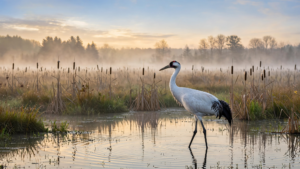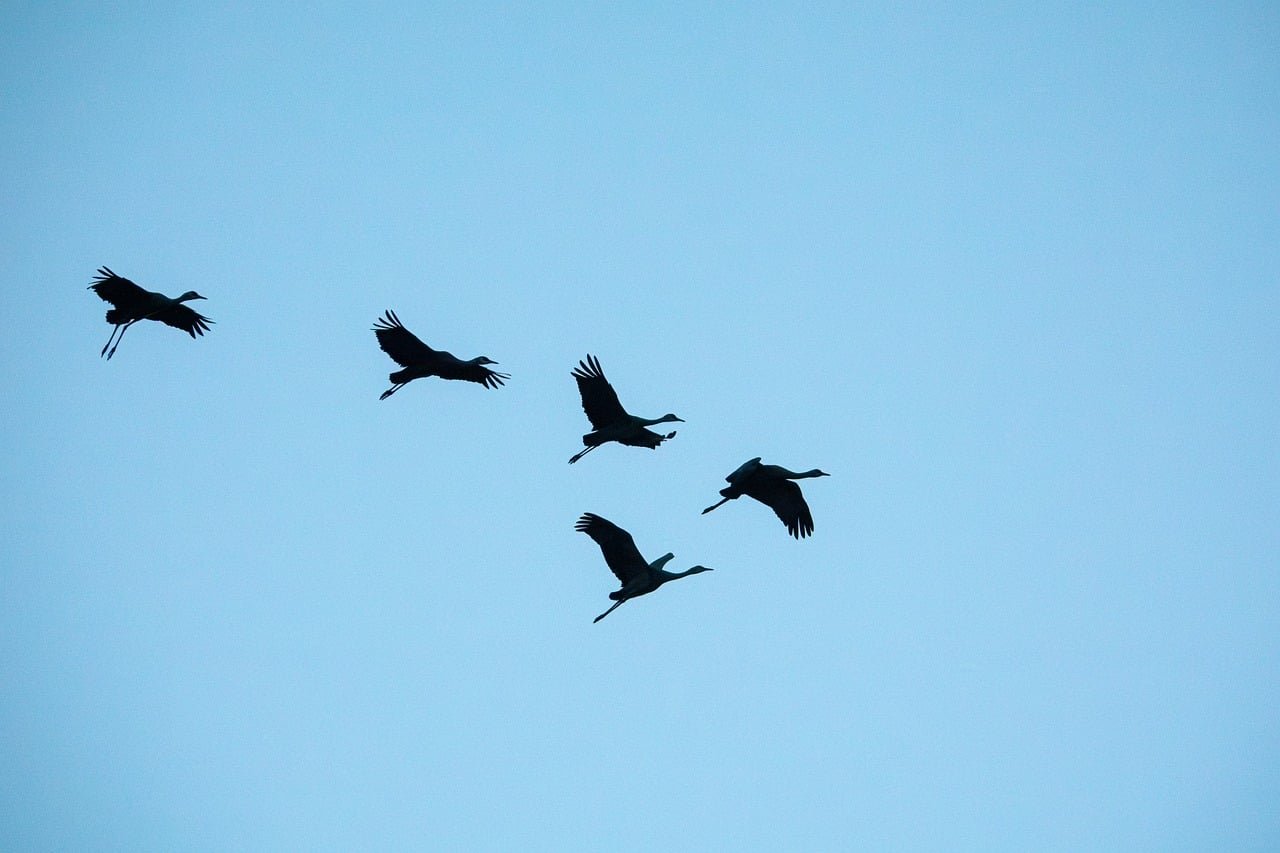
Conservation groups have taken a major step to safeguard one of North America’s most dramatic wildlife recoveries: in December 2025 partners including the International Crane Foundation and The Conservation Fund acquired and protected more than 3,300 acres of coastal wetlands and prairie near Aransas National Wildlife Refuge, a critical wintering area for the endangered whooping crane. The land purchases arrive as federal counts show the largest wintering estimate for the species’ remnant migratory flock since systematic surveys began.
The protection is the result of two coordinated land deals. On Dec. 4, 2025 the International Crane Foundation took ownership of a 1,150‑acre coastal property — now named the Wolfberry Whooping Crane Sanctuary — to serve as a base for research, outreach and habitat restoration. On Dec. 15, 2025 The Conservation Fund closed on the 2,232‑acre Costa Grande Ranch and will transfer that property to the regional Coastal Bend Bays & Estuaries Program for long‑term stewardship. Together the acquisitions strengthen a conservation mosaic that includes Aransas National Wildlife Refuge and nearby public and protected lands. ([savingcranes.org](https://savingcranes.org/news/resources/land-conservation-partnership-preserves-wintering-habitat-endangered-whooping-cranes/))
Numbers that matter
Those habitat protections come at an encouraging moment for the species. A Fish and Wildlife Service winter survey estimated 557 whooping cranes wintered on and around Aransas National Wildlife Refuge in the 2024–2025 season — the first time the Aransas–Wood Buffalo population has been estimated above 550 birds — and surveyors counted dozens of juveniles among them. The long‑term growth rate for the flock remains positive, reflecting decades of captive breeding, reintroduction and habitat work. ([fws.gov](https://www.fws.gov/press-release/2025-06/2025-wintering-whooping-crane-count))
Conservation partners also point to the broader global picture: by mid‑2025 organizations tracking the species reported roughly 834 whooping cranes worldwide, with most individuals living in the wild and a smaller number maintained in managed breeding programs that help bolster wild recruitment. These combined advances — more protected coast and rising counts on the wintering grounds — reduce some immediate risks facing the species and buy time for longer‑term recovery work. ([audubonnatureinstitute.org](https://audubonnatureinstitute.org/whooping-crane-conservation))
Why the new lands help
Whooping cranes spend the breeding season more than 2,000 miles north in the Wood Buffalo National Park region of Canada and return to coastal Texas each winter. The newly protected parcels provide foraging and roosting habitat adjacent to the refuge, improving connectivity and buffering the flock from development and other coastal pressures such as sea‑level rise. Organizers describe the purchases as a rare example of partners combining research, land protection and local stewardship to address both immediate habitat needs and long‑term resilience. ([conservationfund.org](https://www.conservationfund.org/our-impact/press-room/first-of-its-kind-land-conservation-partnership-preserves-vital-wintering-habitat-for-endangered-whooping-cranes/))
Federal and nonprofit leaders framed the news as both cause for optimism and a reminder that the species remains endangered. The U.S. Fish and Wildlife Service noted the population’s steady rebound from the brink of extinction but emphasized the continued need for broad cooperation across the Central Flyway from Texas to the Canadian boreal nesting grounds. ([fws.gov](https://www.fws.gov/press-release/2025-06/2025-wintering-whooping-crane-count))
For now, the combination of protected winter lands and growing survey counts offers a clear, measurable conservation success: habitat secured where the birds feed and rest, and a wild population that is slowly but steadily climbing. Organizers say the work will continue — from habitat restoration on the new parcels to monitoring, outreach and fundraising — with the goal of ensuring future generations can still see these five‑foot‑tall cranes lift off along the Gulf Coast. ([conservationfund.org](https://www.conservationfund.org/our-impact/press-room/first-of-its-kind-land-conservation-partnership-preserves-vital-wintering-habitat-for-endangered-whooping-cranes/))