In 2002, only 94 Iberian lynx remained in the wild. Two decades later, a census counted 2,021 across Spain and Portugal. The increase was large enough for the International Union for Conservation of Nature (IUCN) to change the cat’s status from Endangered to Vulnerable in 2024.
That change is a landmark in conservation, not a declaration that the species is safe. The Iberian lynx is still limited to the Iberian Peninsula, relies heavily on a single prey animal and faces hazards from roads, disease and habitat fragmentation. Its story is notable because coordinated, long-term work helped turn a downward spiral into a recovery—and because the remaining risks make clear how much continued protection matters.
A specialist under pressure
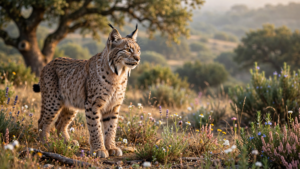
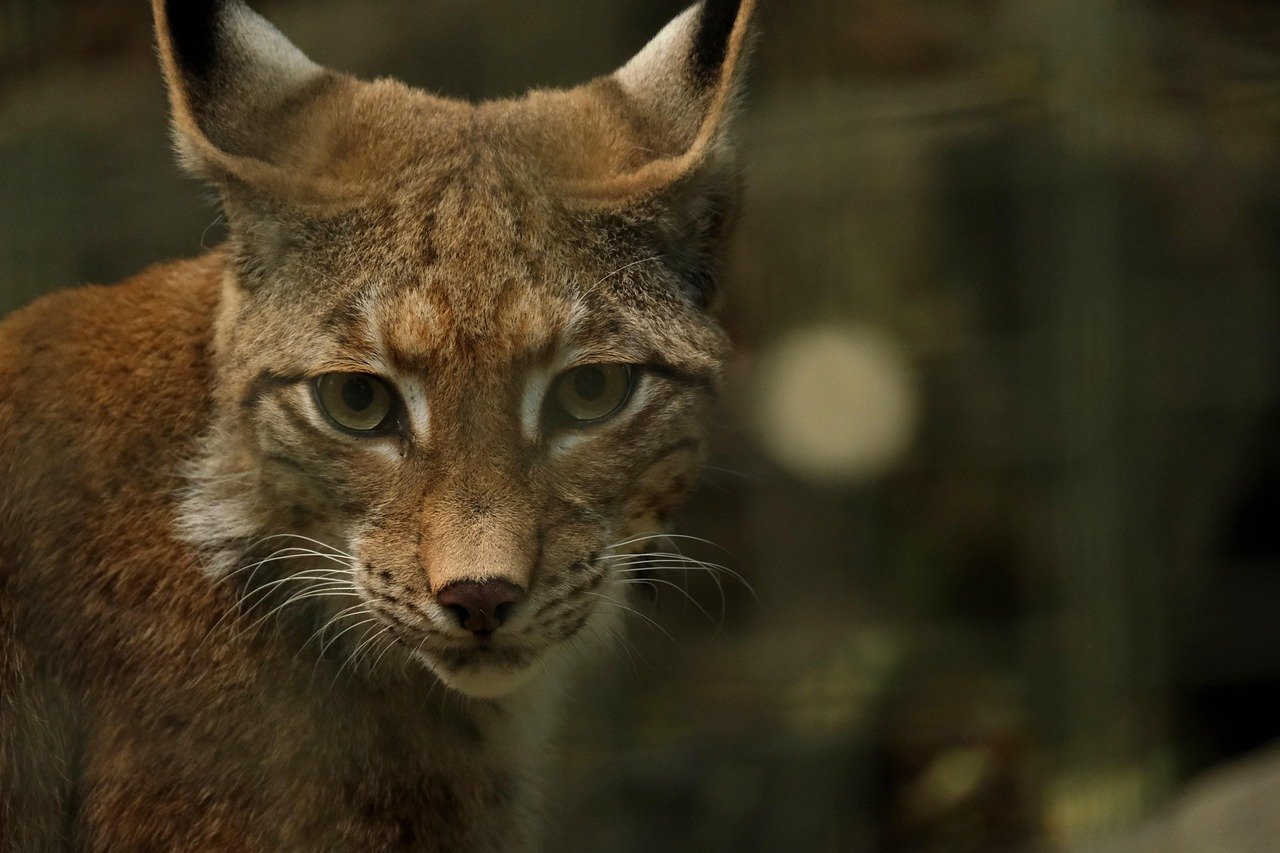
The Iberian lynx is a wild cat native to Spain and Portugal. It is smaller than the Eurasian lynx, with distinctive dark ear tufts and a short tail. The species is also a highly specialized hunter: European rabbits make up most of its diet.
That dependence became a vulnerability when rabbit numbers collapsed. Disease, including myxomatosis and rabbit hemorrhagic disease, sharply reduced rabbit populations. Meanwhile, changes to the landscape divided suitable habitat, and lynx were killed on roads or through other human-caused threats. With fewer rabbits and fewer connected places to hunt and breed, the cat’s small, isolated populations had little room to recover on their own.
By the early 2000s, the remaining lynx were concentrated in just a few areas in southern Spain. The 94-animal figure from 2002 is a measure of how close the species came to disappearing from the wild. It also provided a clear baseline against which conservation teams could track whether their efforts were working.
Building the conditions for a return
The recovery did not come from one intervention. It took a combination of measures: breeding lynx under human care, releasing animals into suitable areas, improving habitat and working to increase rabbit numbers. Conservation programs also monitored animals and addressed threats such as road mortality.
Captive breeding helped produce lynx for reintroduction, but releases could only succeed where the landscape could support them. Sites needed prey, shelter and room for animals to establish territories. Reintroductions in Spain and Portugal helped extend the species beyond its last strongholds and create new populations. Connecting and expanding those populations matters: a species spread across more locations is less exposed to a single local disease outbreak or other sudden shock.
Recovery also depends on work beyond the release sites. Restoring habitat and keeping it connected gives lynx a better chance to disperse. Maintaining rabbit populations supports the food supply on which the cats depend. Monitoring helps conservationists see whether animals are surviving, breeding and establishing populations—and where additional action may be needed.
The approach reflects a practical lesson in species recovery: breeding animals is not enough if the wild landscape cannot sustain them. Reintroduction can help restart a population, but lasting results require prey, habitat and measures to reduce avoidable deaths.
What the new status means—and what it does not
The 2023 census recorded 2,021 lynx in Spain and Portugal, a dramatic increase from the 2002 count. In 2024, the IUCN reassessed the species and moved it from Endangered to Vulnerable. That is a meaningful improvement in conservation status, reflecting a much larger population and a wider distribution than two decades earlier.
But “Vulnerable” still means the species faces a risk of extinction in the wild. A total count also cannot, by itself, show whether every population is secure or whether the animals are connected well enough to withstand future pressures. Numbers may change as conditions shift, and recovering a species across its former range is different from protecting it in the places where it has returned.
Roads remain a particular concern because they can kill individual lynx and divide habitat. Disease affecting rabbits can again reduce the lynx’s main food supply. Land-use changes and climate pressures may also make it harder to maintain suitable habitat and stable prey populations. Those challenges are reasons to sustain monitoring and conservation, not evidence that the progress so far was temporary.
A recovery that needs to keep going
The Iberian lynx’s rebound is a rare, measurable conservation success: a species that had dwindled to fewer than a hundred wild animals now numbers in the thousands. It shows what sustained collaboration among conservation programs, public agencies, researchers and local communities can achieve when the work addresses both the animal and the conditions it needs to live.
The next test is whether that progress can be maintained. Continued protection of habitat, attention to road danger, support for rabbit populations and careful tracking of reintroduced animals will help determine whether the recovery becomes more resilient. The change to Vulnerable marks a milestone—not an endpoint.