After several brutal years for seabirds — including mass die-offs from highly pathogenic avian influenza (HPAI) and extreme weather — conservationists are celebrating encouraging breeding seasons on both sides of the Atlantic. Focused habitat work, predator management and persistent monitoring helped several threatened colonies record unusually strong returns in 2025–2026.
Roseate terns: a North Atlantic recovery in two acts
Massachusetts’ targeted restoration work on tiny offshore islets paid off in 2025 when state wildlife managers recorded a record-high total of 4,010 nesting pairs of endangered roseate terns across Bird and Ram islands — a threefold rise since 2013. Bird Island and Ram Island together occupy only a few acres yet typically support the majority of North America’s nesting rosies; decades of fencing, nest-box programs, and a 2015–2018 stabilization project at Bird Island helped expand and protect critical nesting habitat. ([mass.gov](https://www.mass.gov/news/a-milestone-for-massachusetts-roseate-terns?utm_source=openai))
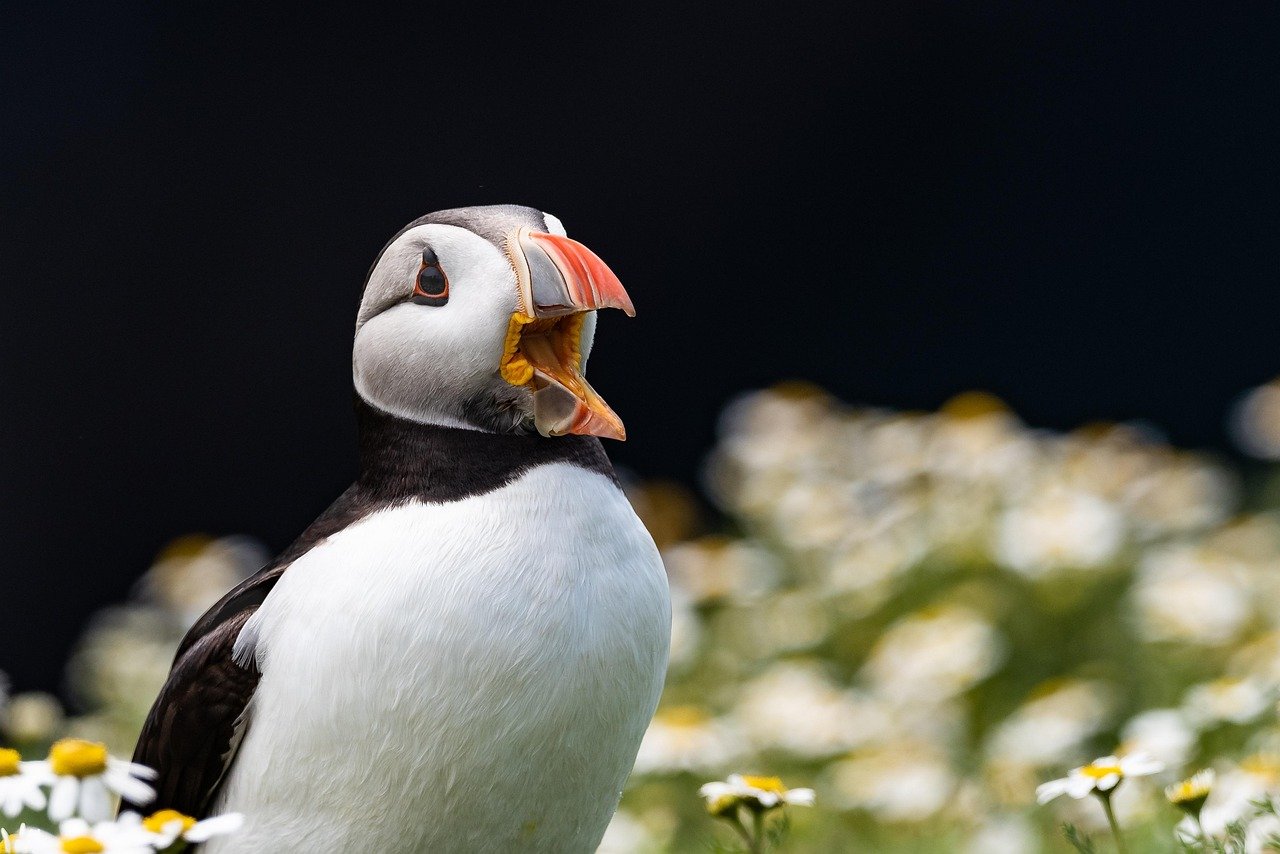
Across the North Sea, England’s only breeding colony of roseate terns also had a milestone year. RSPB wardens on Coquet Island recorded 155 nesting pairs in 2026, the highest count there in more than 50 years, and reported more than 150 chicks already fledged. Coquet’s boost comes alongside large gains for other island breeders such as puffins. ([rspb.org.uk](https://www.rspb.org.uk/whats-happening/news/record-breaking-year-for-coquet-islands-roseate-terns))
From zero to hundreds: sandwich terns and the Solent rebound
On the south coast of England, the Pagham Harbour colony of Sandwich terns — which was effectively abandoned after a severe HPAI outbreak in 2022 — recovered to at least 756 breeding pairs in 2026, producing hundreds of fledglings. That turnaround reflects multi-year restoration across the Solent, where partners have been improving nesting islands, managing vegetation and using predator-exclusion fencing and constant biosecurity to keep colonies safe. Conservationists credit the Solent Seascape partnership and long-term local effort for the rebound. ([web-cdn.rspb.org.uk](https://web-cdn.rspb.org.uk/whats-happening/news/record-year-for-seabirds-on-rspb-reserves-in-the-solent))
How simple, sustained actions made a difference
Across these examples the measures that repeatedly show results are straightforward: protect small islands from disturbance, exclude mammalian predators, manage vegetation so ground-nesting birds have open nest sites, and shore up low-lying nesting habitat against erosion. In Massachusetts, engineers and wildlife staff rebuilt revetments and added sand and gravel to increase nesting area on Bird Island; in the Solent and at Coquet, wardens and volunteers ran targeted island management and monitoring programs that gave returning birds safe places to nest. ([mass.gov](https://www.mass.gov/news/a-milestone-for-massachusetts-roseate-terns?utm_source=openai))
Why the wins matter — and why vigilance continues
These breeding-season highs are not a signal that seabirds are out of the woods. RSPB and state agencies note ongoing threats: food shortages linked to changing ocean conditions, continued HPAI risk, and rising seas that endanger the tiny islands many species rely on. Still, the recent results are tangible proof that long-term, site-specific conservation can arrest declines and produce recovery at important breeding hubs. Conservationists say the next steps include scaling habitat resilience projects, keeping up biosecurity, and maintaining public awareness to reduce disturbance. ([web-cdn.rspb.org.uk](https://web-cdn.rspb.org.uk/whats-happening/news/record-year-for-seabirds-on-rspb-reserves-in-the-solent))
For beachgoers and coastal visitors, the practical takeaway is simple: give nesting areas space during spring and summer, keep dogs leashed where terns and other ground-nesters are present, and support local reserve work. Those small choices — paired with engineering and ecological restoration — are the measures that helped rosies, terns and puffins raise chicks again this season.