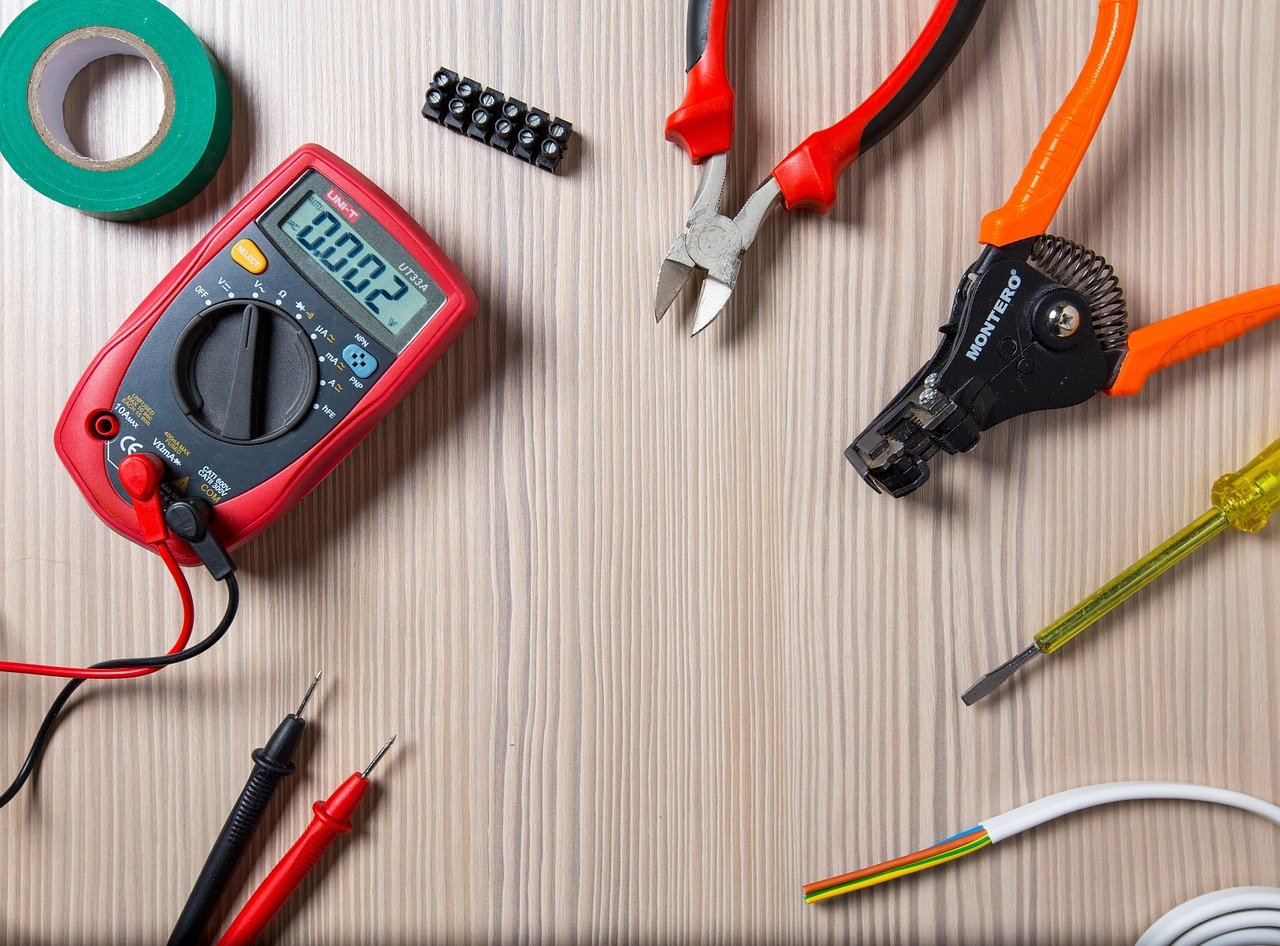
There’s an inexpensive tool kit that belongs on every homeowner’s shelf: a non-contact voltage detector (the pen-style tester), a three‑light plug‑in outlet tester (sometimes called a receptacle tester), and a basic digital multimeter. Used in the right order, those devices let you screen outlets and switches for the most common and dangerous wiring problems — and they do it without tearing open walls. They are not a substitute for an electrician, but they help you decide whether a job is a simple swap or a reason to stop and call a pro.
Why quick tests matter
Electrical failures and wiring faults are a persistent cause of home fires and injuries. Recent NFPA research shows tens of thousands of U.S. home electrical structure fires per year and significant loss and injury tied to electrical failure or malfunction, which is why routine checks are a practical way to reduce risk. ([nfpa.org](https://www.nfpa.org/education-and-research/research/nfpa-research/fire-statistical-reports/home-electrical-fires))
What each inexpensive tool does — and what it won’t
1) Non-contact voltage tester (NCVT)
What it does: an NCVT senses the changing electric field around a live conductor and beeps or lights when it detects voltage. It’s the safest first check for the presence of power at an outlet, switch, cable or exposed conductor because you do not need to touch metal parts. Use it to confirm a breaker is off and to identify the hot side of an outlet without probing slots. ([ezsmart.ca](https://ezsmart.ca/blog/how-do-i-test-if-an-electrical-wire-is-live/?utm_source=openai))
What it can’t do: NCVTs can show false positives on nearby energized wires (induced voltage), and they don’t measure voltage level, polarity, grounding, or connection quality. Always verify an NCVT’s function on a known live source before and after use. ([ezsmart.ca](https://ezsmart.ca/blog/how-do-i-test-if-an-electrical-wire-is-live/?utm_source=openai))
2) Plug‑in outlet (receptacle) tester
What it does: these three‑prong testers check the relationship between hot, neutral and ground and use a light pattern to flag common wiring errors such as open ground, hot/neutral reversed, or open neutral. Many include a button that attempts to trip GFCI protection downstream. They’re fast, cheap and useful for spot checks at every receptacle you care about. ([en.wikipedia.org](https://en.wikipedia.org/wiki/Electrical_outlet_tester?utm_source=openai))
What it can’t do: a plug‑in tester is a low‑current device and will not detect problems that appear only under load (loose connections that heat up), nor will it reliably spot some dangerous faults such as a “bootleg” ground where neutral is incorrectly tied to ground. It also doesn’t verify AFCI (arc‑fault) protection or wire gauge and breaker compatibility. Use the tester’s result as a screening signal, not proof the circuit is fully safe. ([en.wikipedia.org](https://en.wikipedia.org/wiki/Electrical_outlet_tester?utm_source=openai))
3) A basic multimeter (for confident owners)
What it does: a multimeter measures voltage, continuity and (when used correctly) can confirm whether neutral and ground are separate conductors, and whether a circuit is supplying the expected voltage. It’s the next step when a plug‑in tester finds a problem or when you understand safe multimeter practice. ([craftsmantoolkit.com](https://craftsmantoolkit.com/how-to-safely-test-a-live-outlet/?utm_source=openai))
What it can’t do: without training, it’s easy to misread connections or to use the instrument unsafely. It won’t show how a connection behaves under real load unless you add a proper load test, and it won’t prove that wiring hidden behind drywall is free of degradation. When in doubt, stop and hire a licensed electrician. ([cpsc.gov](https://www.cpsc.gov/s3fs-public/518.pdf?utm_source=openai))
A simple, safe testing routine for homeowners
- Work with the right mindset: if you see scorching, melted insulation, repeated breaker trips, buzzing, or smell burning, stop using the circuit and call an electrician. These are signs of a larger hazard. ([cpsc.gov](https://www.cpsc.gov/s3fs-public/518.pdf?utm_source=openai))
- Confirm your tester works: test the NCVT and plug‑in tester on a known live outlet before and after use. A dead battery or faulty tool gives false security. ([ezsmart.ca](https://ezsmart.ca/blog/how-do-i-test-if-an-electrical-wire-is-live/?utm_source=openai))
- Screen with the NCVT: run the tip around the outlet face and wiring entrances to check for live conductors before you touch anything. ([ezsmart.ca](https://ezsmart.ca/blog/how-do-i-test-if-an-electrical-wire-is-live/?utm_source=openai))
- Use the plug‑in tester: plug it into the outlet, note the light pattern and consult the legend on the device. If it reports an open ground or reversed polarity, mark the outlet and don’t use high‑power appliances until it’s fixed. ([en.wikipedia.org](https://en.wikipedia.org/wiki/Electrical_outlet_tester?utm_source=openai))
- Test GFCIs monthly: if the outlet has TEST/RESET buttons, plug in a small lamp, press TEST and confirm power goes off and RESET restores it. If the GFCI does not trip or reset correctly, replace it or call an electrician. Government safety guidance recommends regular GFCI testing. ([esfi.org](https://www.esfi.org/how-to-use-gfcis/?utm_source=openai))
- When to use a multimeter: only if you know how to use it safely — to confirm line voltage or check continuity when troubleshooting a suspicious reading. Otherwise, stop and call a pro. ([craftsmantoolkit.com](https://craftsmantoolkit.com/how-to-safely-test-a-live-outlet/?utm_source=openai))
When a test result means call a licensed electrician
- Warm or discolored outlets, buzzing, sparking, burning smell, or repeatedly tripping breakers. ([cpsc.gov](https://www.cpsc.gov/s3fs-public/518.pdf?utm_source=openai))
- Plug‑in tester reports “open ground” and you need a true equipment ground for appliances or surge protection. ([en.wikipedia.org](https://en.wikipedia.org/wiki/Electrical_outlet_tester?utm_source=openai))
- Two‑prong (ungrounded) outlets where you want to add three‑prong protection; a GFCI retrofit is a code‑accepted interim fix but it must be labeled properly and installed correctly. ([cpsc.gov](https://www.cpsc.gov/s3fs-public/099_0.pdf?utm_source=openai))
- Any sign of aluminum branch wiring, knob‑and‑tube wiring, or panels/brands with known safety issues — these require professional evaluation. ([purehomeelectric.com](https://purehomeelectric.com/legacy-wiring-hazards/?utm_source=openai))
Why these small checks are worth the few dollars
Plug‑in testers and NCVTs are inexpensive (often under $25) but they let you catch common wiring mistakes and failing protective devices early — the kind of faults that can lead to shocks or electrical fires. They also give you the information you need to hire a qualified electrician confidently: a clear symptom and a reproducible test result are the best start to a safe repair. Remember: a pass on a pocket tester is helpful but not a guarantee; it’s a screening tool, not a certificate of safety. ([inspectandtest.net](https://inspectandtest.net/guides/outlet-tester/?utm_source=openai))
Bottom line: a short, routine check — NCVT first, plug‑in tester second, GFCI monthly test — greatly reduces uncertainty about everyday outlets. Use testers to find bad wiring early, and call a licensed electrician for anything that smells, sizzles, runs hot, or fails a protection test. That combination of inexpensive tools and the right boundary for professional help is an easy way to keep electricity working for you — and not against you.