A River Cuts Through Time
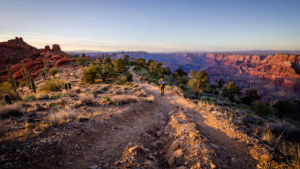
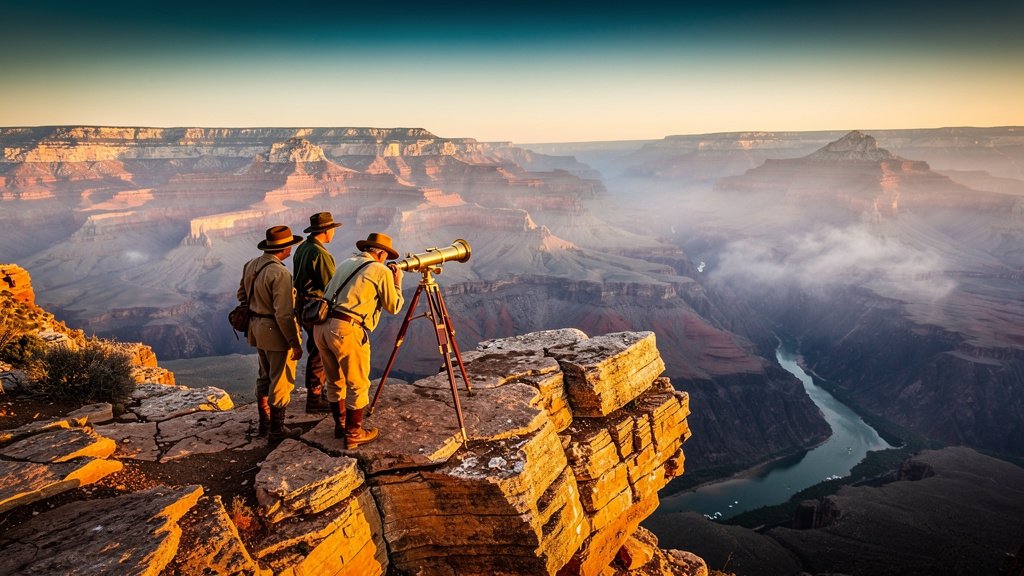
The Grand Canyon is a dramatic record of geological history. The Colorado River and erosion exposed layers of rock that reveal an immense span of Earth’s past. For related reading, see Granite Dells: How Prescott’s Ancient Rocks Became a Public Landscape.
More Than a View
The canyon has long been important to Indigenous peoples and later became a destination for explorers, scientists and tourists. Its scale challenged early visitors and helped fuel the growth of tourism in northern Arizona. For related reading, see The Humpback Chub: How a Grand Canyon Fish Swam Back From the Edge.
A Symbol of Arizona
Today the Grand Canyon is one of Arizona’s defining landmarks and one of the best-known natural landscapes in the world. Its story combines geology, culture, conservation and tourism. For related reading, see Arizona’s Condor Comeback: How the Grand Canyon Became a Second Chance for North America’s Largest Flying Bird.
Source & Rights
National Park Service — Grand Canyon Geology
https://www.nps.gov/grca/learn/nature/grca-geology.htm
Use: Research and factual verification of the canyon’s geology, erosion and formation.
National Park Service — History & Culture
https://www.nps.gov/grca/learn/historyculture/index.htm
Use: Research and factual verification of the canyon’s human history, exploration and conservation.
Rights: Sources are used for research and factual verification. Article text is original and not reproduced from the sources.