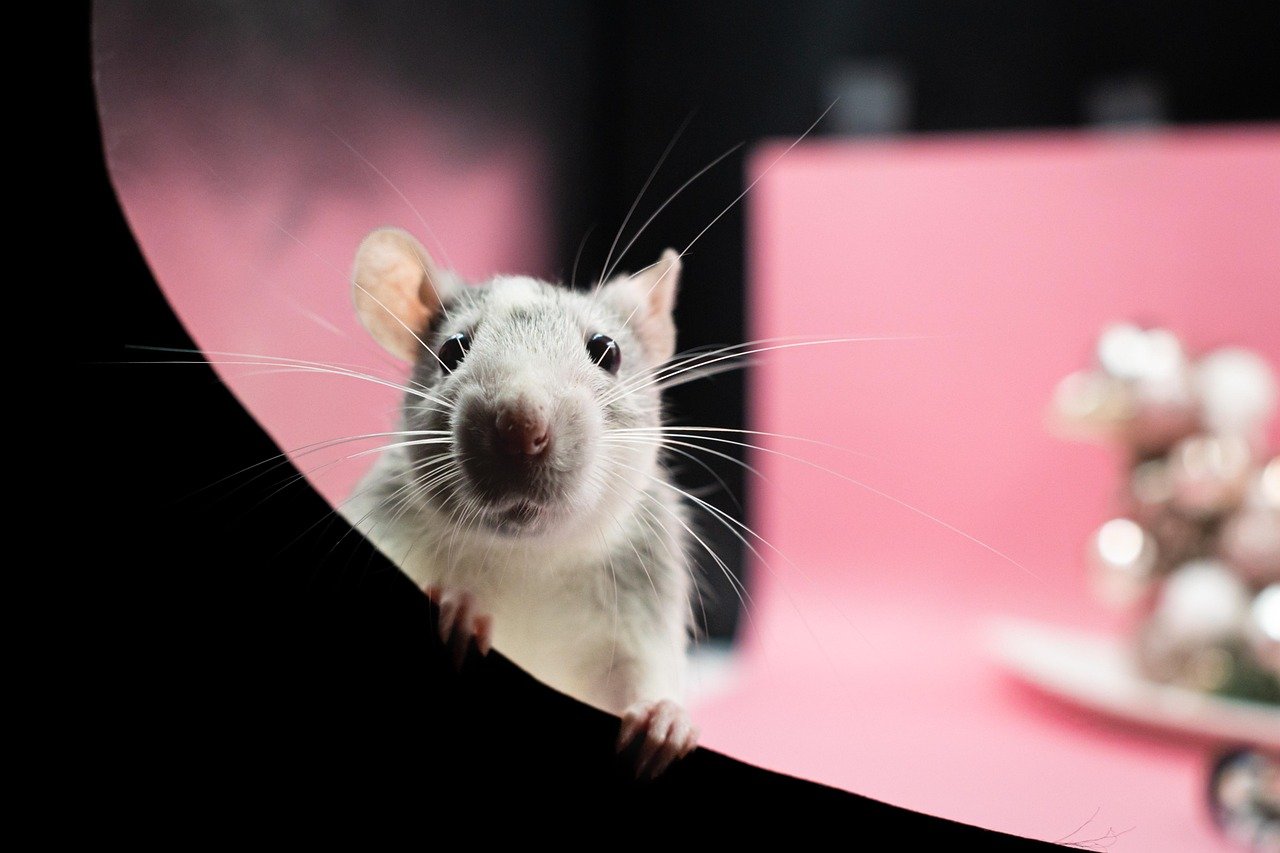
When conservationists finished a complex rat‑eradication campaign on Wake Atoll, they expected gradual improvement. What followed was far faster and broader: seabirds and native plants have surged back, and researchers say the atoll is already showing the cascading benefits that come when an island is once again rodent‑free.
A verified eradication, then an ecosystem response
The atoll — an unincorporated U.S. territory in the central Pacific and part of the Pacific Remote Islands Marine National Monument and Wake Atoll National Wildlife Refuge — was the focus of a multi‑partner campaign led by Island Conservation, the U.S. Department of Agriculture (USDA), the U.S. Fish and Wildlife Service, and the U.S. Air Force.
Federal reporting shows detection teams surveyed the atoll in December 2024 and again in February and September 2025, and concluded that eradication of the invasive rats was verified in September 2025. That confirmation cleared the way for nature to respond without the constant pressure of egg and chick predation.
Birds returned fast — and in surprising ways
Island Conservation and international seabird specialists reported that 16 species of native nesting birds began to reappear and increase on Wake after the rats were removed. Among the most notable developments: teams documented the first known colony of Bonin Petrel (Nunulu in Hawaiian) on the atoll, and the globally important sooty tern population experienced what conservation partners described as a record‑breaking breeding season.
Those findings were echoed by the Agreement on the Conservation of Albatrosses and Petrels and other conservation organizations, which called the recovery a powerful example of how removing invasive predators can quickly restore seabird colonies that were long suppressed.
Plants, invertebrates and people benefit too
Wildlife responses have not been limited to birds. Scientists and field staff report thousands of native Pisonia tree seedlings sprouting where rats once ate the seeds, and numbers of geckos, skinks, spiders, moths and hermit crabs have risen — signs of a healthier island web of life. Island Conservation project manager Tommy Hall said the team was “astonished — and thrilled — at the results,” and ornithologist John Gilardi noted that he had never seen Pisonia seedlings on Wake before the eradication.
Military and civilian personnel stationed on the atoll have also felt the change: with the rodent threat gone, infrastructure and food stores are safer from contamination, and residents report improved morale and participation in beach cleanups and conservation activities.
Why Wake matters
Wake Atoll has long been recognized as an Important Bird Area because of its large sooty tern colonies and as a refuge for seabirds in a part of the Pacific where many islands have been depleted by invasive mammals. The Wake project required complex logistics — operating on an isolated coral atoll with sensitive historic infrastructure — and involved careful monitoring to ensure non‑target species were protected during operations.
Conservationists say Wake’s quick response adds to a growing body of evidence that removing invasive predators from islands can produce rapid, large‑scale ecological gains and help rebuild nesting seabird populations that are critically important to ocean‑island nutrient cycles.
Next steps and safeguards
Experts stress that eradication is only the start: rigorous biosecurity, regular monitoring, and rapid response to any new incursions are essential to preserve gains. The Wake experience also offers operational lessons for restoring other remote islands — from tailored logistics to coordinated interagency partnerships — and stands as a hopeful model for island conservation worldwide.
—
Sources for reporting: Island Conservation, Agreement on the Conservation of Albatrosses and Petrels, and U.S. Department of the Interior documentation on the Wake Atoll eradication effort.