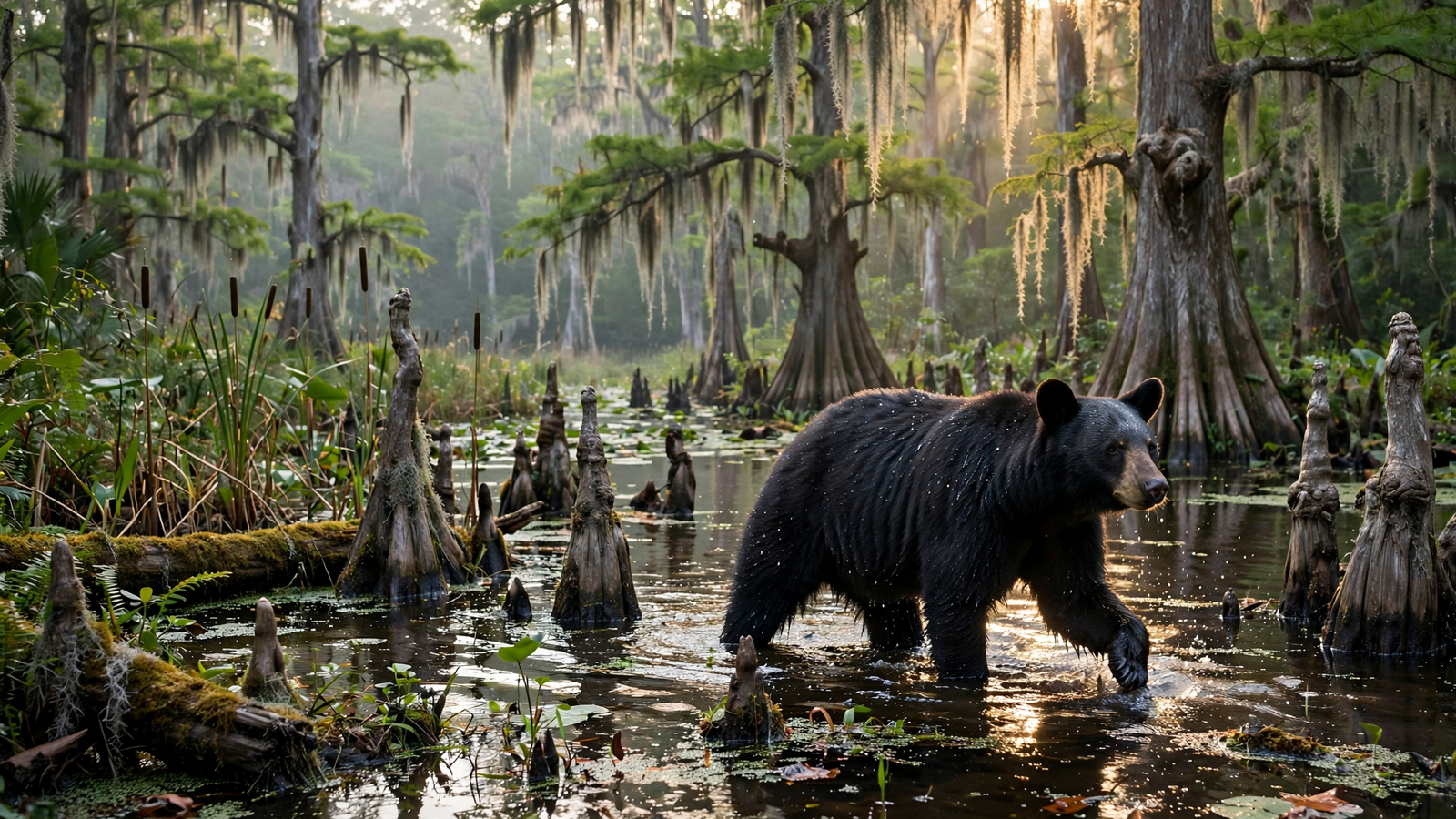
In Louisiana, the return of a black bear is not just a wildlife story. It is a story about forests that survived, wetlands that still function, and people learning that a landscape can be shared with a large, wild neighbor.
The Louisiana black bear, a recognized subspecies of the American black bear, was once common across the state’s bottomland forests and river swamps. Over time, logging, agricultural conversion, road building, and the loss of connected habitat pushed the animal into a much smaller portion of its former range. By the late 20th century, the bear’s future looked uncertain enough that the federal government listed it as threatened under the Endangered Species Act in 1992.
Today, the bear is no longer federally protected as a threatened species. The U.S. Fish and Wildlife Service removed the Louisiana black bear from the endangered species list in 2016, concluding that conservation work had helped the population become secure enough for delisting. That decision did not mean the animal’s challenges disappeared. It meant that a broad coalition had made measurable progress—and that the work could continue through a different set of safeguards.
A bear shaped by the bayous
Louisiana black bears are American black bears adapted to the forests and wetlands of the lower Mississippi River region. Despite their name, they are not always black; coat color can vary, and some individuals may appear brown or cinnamon. Like other black bears, they are omnivores and spend much of their time searching for seasonal foods such as fruits, nuts, insects, and vegetation.
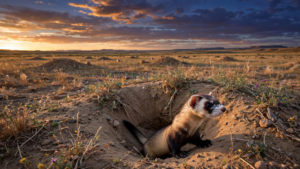
Their most important requirement is less dramatic than a wilderness postcard: connected cover. Bears need places to feed, den, travel, and raise cubs without crossing too many dangerous or heavily developed areas. In the Gulf South, that cover can include bottomland hardwood forests, cypress-tupelo swamps, cane breaks, and the wooded corridors along rivers and bayous. For related reading, see The Black-Footed Ferret: How Arizona’s Prairie Dogs Helped Bring Back a Native Predator.
Those habitats are valuable for far more than bears. They slow floodwaters, store carbon, filter water, shelter birds, and provide passage for many other animals. Protecting bear habitat therefore protects a working ecological system rather than a single species in isolation.
When a wide-ranging animal became isolated
By the time the Louisiana black bear received federal protection, its habitat had been heavily fragmented. Remaining bear groups were separated from one another, reducing the chances that animals could find mates and move safely between suitable areas. Small, isolated populations are especially vulnerable to disease, accidents, extreme weather, and the loss of even a few breeding animals.
Researchers and wildlife managers also had to contend with the bear’s reputation. A bear near a home, farm, or road can create understandable concern. Yet conflict is often shaped by human behavior: unsecured garbage, outdoor pet food, bird feeders, or crops that offer an easy meal. Recovery would require not only habitat work, but also practical ways for people and bears to occupy the same region.
The federal recovery effort emphasized several connected goals: protecting and restoring habitat, maintaining viable bear populations, reducing unnecessary deaths, improving public understanding, and learning more about where bears traveled. Those goals transformed recovery from a single reserve or release site into a landscape-scale project.
Rebuilding a population through cooperation
Louisiana’s recovery program brought together federal and state wildlife agencies, universities, private landowners, conservation groups, and local communities. One important strategy was to strengthen the population through carefully managed restoration efforts, including the movement of bears into suitable habitat. These efforts were paired with monitoring so biologists could track survival, reproduction, and movement across the landscape.
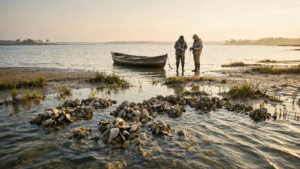
Habitat conservation was equally important. Wildlife corridors along waterways gave bears routes between forested areas, while conservation easements and protected lands helped keep key pieces of habitat from being permanently converted. The goal was not to create a few isolated bear islands. It was to preserve enough connected country for the animals to behave like a population rather than a collection of stranded individuals. For related reading, see The Oyster Reef: How Chesapeake Bay Is Bringing Back a Living Shoreline.
Modern monitoring has made that work more precise. Biologists can combine sightings, reports of tracks and other signs, genetic information, and data from radio or GPS collars to understand how bears use the landscape. That information helps managers identify important crossings, breeding areas, and places where a road or development project could cut off movement.
The meaning of delisting
The Fish and Wildlife Service’s 2016 delisting decision reflected a long-term improvement in the bear’s status. The agency reported that the subspecies had expanded beyond the most restricted areas it occupied when listed and that conservation measures had reduced the risk of extinction.
Delisting is sometimes misunderstood as the end of protection. In reality, it is better understood as a change in the kind of protection required. The Endangered Species Act’s federal listing no longer applies, but state wildlife laws, habitat programs, land-management rules, and conservation commitments still matter. The bear also remains part of a broader regional effort to maintain forest and wetland connections.
That distinction is important because recovery is rarely a switch that moves from “danger” to “safe.” A population can improve while still depending on careful management. If habitat becomes fragmented again, if mortality rises, or if public tolerance declines, the gains can be weakened. The Louisiana black bear’s story is hopeful precisely because it shows recovery as an ongoing practice rather than a one-time victory.
Learning to live with the return
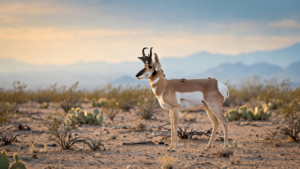
As bears move through a larger portion of their historic range, coexistence becomes part of conservation. Simple measures can reduce attractants: storing garbage securely, bringing pet food indoors, cleaning outdoor grills, and removing food sources that can teach bears to associate people with easy meals. Farmers and landowners may also work with wildlife officials on ways to reduce damage without escalating conflict. For related reading, see The Sonoran Pronghorn: How Arizona Helped a Desert Runner Find Its Way Back.
Public reporting is valuable, too. A confirmed bear sighting can help biologists understand where animals are traveling and whether a corridor is functioning. It can also allow officials to respond early if a bear begins spending too much time around homes or businesses.
The central lesson is that the return of a large carnivore depends on ordinary decisions as much as on spectacular releases or protected wilderness. A forested strip beside a river, a secure trash container, a wildlife crossing, and a community willing to report sightings responsibly can all become part of the same recovery story.
A wider promise in the wetlands
The Louisiana black bear’s comeback does not restore every acre of its former range, and it does not erase the pressures facing the Gulf Coast. Coastal land loss, storms, development, roads, and climate change continue to shape the region. But the bear’s recovery offers a useful kind of optimism: damaged landscapes can retain enough ecological memory to support a return.
When forests are reconnected for bears, they also become safer routes for other wildlife. When wetlands are protected, communities gain natural flood buffers and cleaner water. When people learn how to prevent conflict, a rare animal becomes less of a symbol of loss and more of a participant in a living landscape.
The Louisiana black bear is still wild, still capable of surprising people, and still dependent on room to move. Its comeback is therefore not a fairy-tale ending. It is something more durable: evidence that conservation can turn a shrinking possibility into a future with more space in it.
Use: Species status, habitat, recovery, and federal protection history.
Use: Federal delisting decision and rationale.
Use: State conservation context, coexistence guidance, and regional wildlife management.