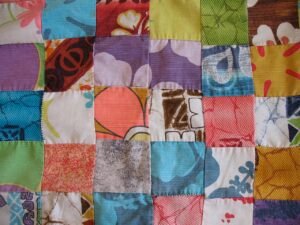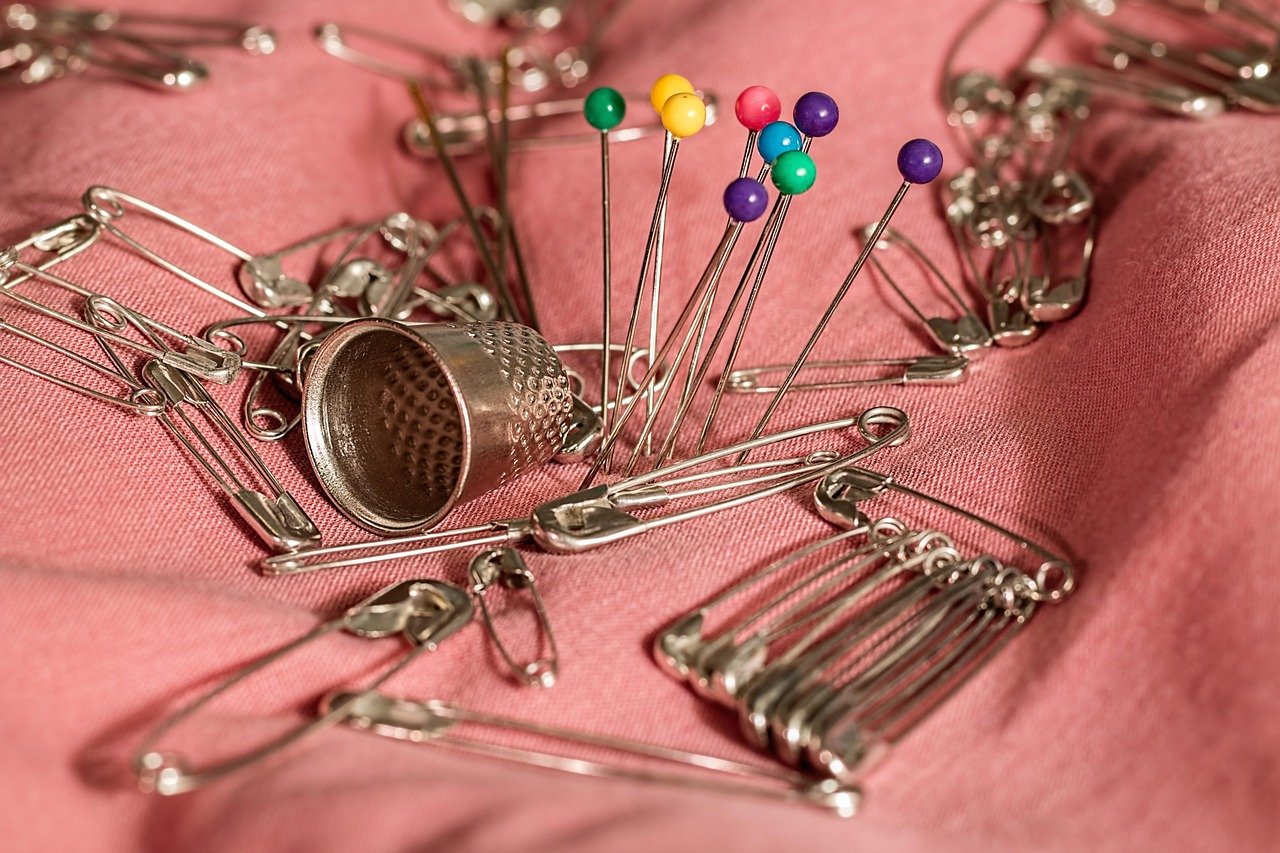
Clothes with patches, decorative darning and obvious stitches are no longer just the province of hand‑made hobbyists. Over the past decade the idea of repair — and of making that repair visible — has jumped from archives and craft studios into runways, classrooms and brand strategy teams. What began as an ethical, practical response to worn textiles has become a recognizable aesthetic and an expanding ecosystem that includes museum programs, global repair networks and corporate repair and education initiatives.
From boro and sashiko to contemporary mending
The practice has deep roots. In Japan, the family and village practice of patching and reworking worn cloth—now widely discussed under the terms boro and sashiko—was long a way to stretch scarce materials. Museums and design schools helped recast those patched textiles as cultural objects and design sources: for example, the Domaine de Boisbuchet’s travelling exhibition “BORO – The Fabric of Life” was presented in 2013 and showed roughly 50 repaired futon covers, kimonos and work garments from the 19th and early 20th centuries. The Victoria and Albert Museum in London offers a step‑by‑step “Make your own: Japanese ‘Boro’ bag” project and frames the practice as both a historic survival skill and a living design language.
The museum framing matters: it helped shift public perception from “ragged” to “rich with history,” and it connected a set of traditional techniques — sashiko running stitch, layered patching and visible reinforcement — to contemporary designers and makers who treat mending as creative expression rather than mere maintenance. ([boisbuchet.org](https://www.boisbuchet.org/exhibitions/boro-the-fabric-of-life/))
Brands, classrooms and repair as a service
Commercial fashion is responding on multiple fronts. Outdoor brands that built reputations on durability have long offered repairs and resale; Patagonia’s Worn Wear hub brings company repair guides, used‑gear sales and community repair storytelling together under one program. At the same time, apparel companies are moving beyond one‑off repair events toward durable programs that teach skills or embed repair into customer experience.
Levi Strauss & Co. launched a structured education effort, the Levi’s® Wear Longer Project, in January 2026 to bring repair and customization lessons into classrooms and community workshops. The program provides free lesson plans and how‑to resources intended to help young people learn to hem, patch and alter their clothes, with the aim of making repair a routine life skill. Those corporate education efforts reflect a larger strategic shift: brands are recognizing that repair can reduce waste, deepen customer loyalty and reframe longevity as part of product value. ([patagonia.com](https://www.patagonia.com/worn-wear/))
Community infrastructure: repair cafés and local skills
Repair is also thriving at grassroots scale. The Repair Café movement, started in Amsterdam, now lists thousands of local events around the world where volunteers teach and do repairs for neighbors. The movement’s international site shows more than 4,000 Repair Cafés worldwide, from small-town sewing‑machine fix‑ups to larger community repair hubs that teach visible mending techniques and host neighborhood swap events. Those local gatherings are where many people first try darning, sashiko or a contrasting patch — and where mending becomes social practice. ([repaircafe.org](https://repaircafe.org/en/visit/))
Policy and markets nudging repair forward
Policy is beginning to back the shift toward longer garment life. In California, lawmakers enacted the Responsible Textile Recovery Act of 2024 (SB 707), a producer‑responsibility measure that creates a framework for textile collection, recycling and stewardship. Laws like this change the economics of end‑of‑life textiles and make repair and reuse part of an industry‑level response to textile waste. Those regulatory moves, combined with brand programs and community networks, are building the infrastructure needed to scale repair beyond occasional DIY. ([legiscan.com](https://legiscan.com/CA/bill/SB707/2023?utm_source=openai))
Why this matters: climate, culture and local income
Extending the useful life of garments reduces demand for new production, the single biggest source of fashion’s environmental footprint. But the benefits go beyond metrics: mending revives sewing and tailoring skills that supported local cloth economies for generations, it creates micro‑income streams for tailors and makers who offer visible mending as a design service, and it invites people to form stronger relationships with the objects they own.
That relationship shift is important. Repair reframes consumption as stewardship: a patched jacket or an embroidered elbow becomes a personal record of use and care rather than a disposable object. As museum programs, brand curricula and community cafés increasingly propagate the techniques and values of visible mending, repair stops being an excuse and becomes a design choice with practical, cultural and environmental value. ([vam.ac.uk](https://www.vam.ac.uk/articles/make-your-own-japanese-boro-bag))
How to get started
- Download a beginner project: the V&A’s “Make your own: Japanese ‘Boro’ bag” includes a printable pattern and stitch guide for trying sashiko‑style patching. ([vam.ac.uk](https://www.vam.ac.uk/articles/make-your-own-japanese-boro-bag))
- Find a Repair Café or visible‑mending workshop near you to learn hands‑on; the international Repair Café site lists thousands of local events. ([repaircafe.org](https://repaircafe.org/en/visit/))
- Use brand repair resources: Patagonia’s Worn Wear hub hosts care and repair guides and a marketplace for used gear; many brands publish simple repair tutorials to help you keep clothes in rotation longer. ([patagonia.com](https://www.patagonia.com/worn-wear/))
Visible mending’s appeal is practical and aesthetic: it offers a way to fight waste, revive forgotten skills and allow personal expression to grow out of necessity. From museum cases to classroom curricula and neighborhood cafés, the movement around mending shows how small stitches can add up to a new rhythm in how we make, wear and keep our clothes.