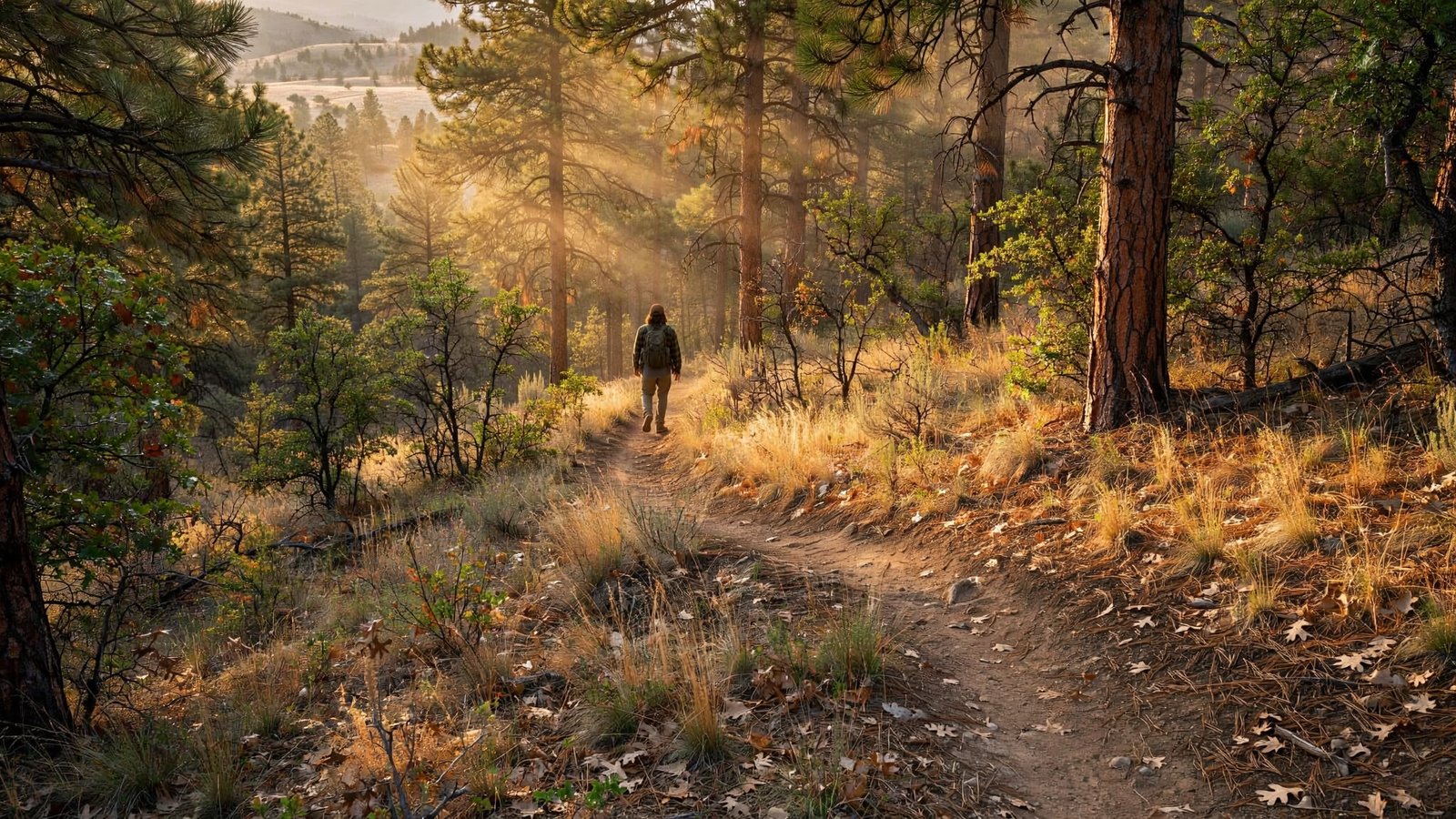
Prescott is surrounded by landscapes that invite a full day outdoors: granite formations, ponderosa pine forests, reservoirs, and long trails leading beyond the city. But some of the most meaningful open space is closer and quieter. Acker Park, a natural-area preserve on Prescott’s west side, shows how a community can keep a piece of the high desert within reach of ordinary daily life.
The park does not depend on a dramatic landmark or a famous historical event. Its value is more immediate. Acker Park offers walking trails, open views, native vegetation, and a place where the boundary between town and wild country feels deliberately soft. Residents can visit for a short walk, a picnic, a morning of birdwatching, or simply a few minutes away from traffic and pavement.
A natural pause inside Prescott
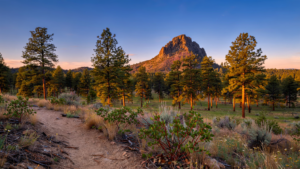
Acker Park sits among the rolling terrain and rocky outcrops that define much of the Prescott area. The setting is characteristic of the region: open ground, scattered trees, exposed stone, and broad views that change with the light. It is neither a formal garden nor a heavily developed recreation complex. Instead, the park preserves a more understated landscape.
That distinction matters. In an urban park, the landscape is usually arranged around facilities such as sports fields, playgrounds, or event spaces. Acker Park is organized more around the experience of moving through the land. Its trails pass through a setting that retains much of its natural texture, allowing visitors to notice seasonal plants, birds, insects, rock formations, and the changing pattern of the surrounding hills.
The result is a place that can serve several kinds of visitors at once. A family may come for a picnic. A resident may use the trails as part of a regular walking routine. A photographer may look for the warm light that settles over the rocks near sunset. Someone new to Prescott may find in a short visit an introduction to the high-country landscape without needing to plan a long drive into the national forest.
Why small preserves matter
Large protected areas often receive the most attention, but smaller natural spaces can play a different and equally important role. They are easier to reach, more likely to become part of a weekly routine, and often provide the first contact many people have with local plants and wildlife.
Acker Park also helps preserve a sense of continuity as Prescott grows. Development does not simply replace undeveloped land with buildings; it changes how water moves, how animals travel, how heat accumulates, and how residents experience their surroundings. Keeping natural areas within the city can maintain pockets of habitat while giving people a direct reason to care about the landscape around them.
The park’s importance is therefore not measured only by how many visitors arrive on a holiday weekend. It is also measured by the ordinary visits: the neighbor who walks the same loop several times a week, the child who learns to recognize a juniper or a granite outcrop, and the birdwatcher who notices that a familiar place looks different after rain.
A landscape shaped by water, stone, and elevation
Prescott’s environment is more varied than the word “desert” sometimes suggests. The city lies in a high-elevation region where vegetation and weather reflect the transition between desert, grassland, and forest. At Acker Park, that transition can be read in the landscape itself.
Rocky ground creates a strong visual structure. Native trees and shrubs occupy pockets where soil and moisture allow them to take hold. During wetter periods, grasses and wildflowers can add color to otherwise muted slopes. In dry months, the park’s beauty becomes more about texture: pale stone, tawny vegetation, dark tree trunks, and the long shadows cast across the trails.
These seasonal changes make the park feel less like a fixed attraction and more like a living place. A visit in spring is not the same experience as a visit in late summer. Morning and evening bring different temperatures and bird activity. After a storm, the scent of wet earth and the clarity of distant views can briefly transform the setting.
Visitors should remember that this is a fragile high-desert environment. Plants grow slowly, soil can erode quickly, and informal shortcuts may widen into lasting scars. Staying on designated paths, keeping dogs under control where required, carrying out trash, and leaving rocks, flowers, and other natural objects in place are simple ways to protect the qualities that make the preserve worth visiting.
A place for attention rather than speed
Acker Park is not the kind of destination that demands an itinerary. That may be one of its strengths. The park rewards a slower form of recreation, one based on observation rather than mileage.
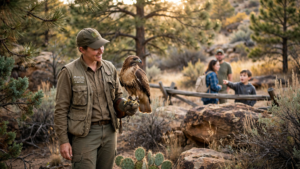
On a walk, the most noticeable feature may change from one minute to the next. A trail can move from open ground into a more sheltered stand of trees. A distant ridgeline may appear between branches. The sound of the city may fade, then return. A lizard may cross a rock, or a hawk may circle over the open terrain. None of these moments is guaranteed, but the landscape creates room for them.
That kind of experience has become increasingly valuable in communities where daily life is often organized around vehicles, schedules, and screens. A natural-area park does not need to offer a spectacular attraction to improve life around it. It can provide a nearby place to reset attention, move the body, and encounter the local environment without turning the visit into a major project.
Connecting people with Prescott’s larger landscape
Acker Park is also part of a broader network of outdoor places around Prescott. The city’s public lands and nearby forests offer different experiences, from developed lakes and urban trails to more remote backcountry routes. A small preserve can act as a welcoming first step into that larger system.
For visitors, it offers a manageable way to understand the character of the region before attempting a longer hike. For residents, it provides a familiar place that can deepen over time. Repeated visits reveal details that a single stop may miss: which slopes green first, where birds gather, how the position of the sun changes the color of the rocks, or how quickly a familiar trail dries after rain.
This familiarity is one of the foundations of stewardship. People tend to protect places they know. The more often a community encounters a landscape as part of daily life, the more likely it is to notice changes and value the decisions that keep the place open and cared for.
The quiet achievement of keeping land close
Acker Park does not present conservation as something distant or abstract. It places the idea directly along the edge of town. The preserve demonstrates that protecting nature does not always require a vast wilderness or a once-in-a-generation project. Sometimes it means maintaining a modest, accessible piece of land and allowing it to remain recognizably itself.
That is what makes the park a useful place to consider in the present. As Prescott continues to attract residents and visitors drawn by its climate, history, and outdoor setting, the community’s quality of life will depend partly on how it balances access with protection. Acker Park offers one answer: keep natural space close enough for everyday use, but simple enough that the land remains the main feature.
For anyone looking for a quieter side of Prescott, the park provides an uncomplicated invitation. Walk at an unhurried pace. Look closely at the ground and the sky. Notice the relationship between the town and the hills. In that small interval of preserved land, the city makes room for a more attentive kind of life.