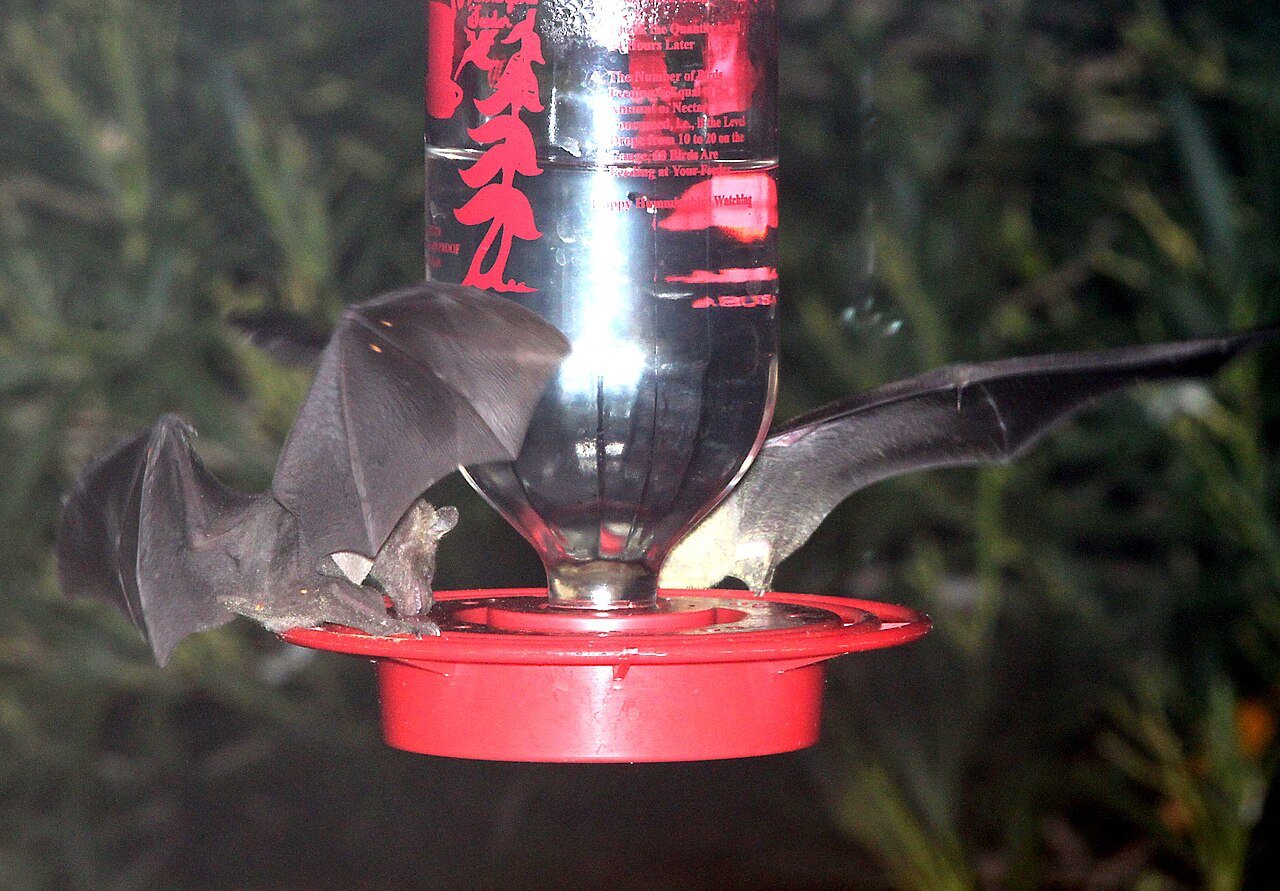
On warm desert nights, a small, long-snouted visitor moves between flowers and roosts across the Southwest. The lesser long-nosed bat is part of Arizona’s seasonal wildlife, but by the late 20th century its future looked uncertain. In 1988, the federal government listed the species as endangered. Thirty years later, after conservation efforts and years of monitoring, the U.S. Fish and Wildlife Service removed it from the endangered species list.
The 2018 decision was more than a change in legal status. It marked a rare conservation milestone: federal officials concluded that the bat had recovered enough that it no longer needed the protections of the Endangered Species Act. The story also highlights how a species’ fortunes can depend on places that are easy to overlook—caves, mines and other sheltered roosts, as well as the flowering plants that provide food along its route.
A migratory life tied to desert flowers
Lesser long-nosed bats are nectar-feeders. They use their long snouts and tongues to reach nectar in flowers, and in doing so can carry pollen between plants. In Arizona, their food includes agaves and columnar cacti. The relationship is especially important because many desert plants flower at night, when the bats are active.
The species is migratory, moving between Mexico and the southwestern United States as food and seasonal conditions change. Arizona is part of that wider range, not a separate island of habitat. A healthy population therefore depends on more than one protected cave or one flowering season: bats need suitable roosts and a connected supply of food across their movements.
That dependence helped make roost protection a central part of the conservation picture. Sheltered sites provide places to rest and, for some groups, gather in large numbers. Disturbance or loss at a roost can affect many bats at once. Protecting those sites, alongside the landscape that supports feeding, gave conservation work a practical focus.
From endangered listing to recovery decision
The Fish and Wildlife Service listed the lesser long-nosed bat as endangered in 1988. The agency’s 2018 delisting rule reviewed population information, roosts and conservation measures before concluding that the species had recovered sufficiently to come off the federal list. The decision did not mean the bat had become invulnerable. It meant the agency found that the threats and population conditions that had prompted the listing had improved enough to meet the recovery standard.
That distinction matters. “Delisted” can sound like a final all-clear, but conservation success is not the same as a guarantee against future declines. A migratory animal still depends on suitable habitat across a broad range, and changes to roosts or food availability can create new pressure. The federal rule also set out post-delisting monitoring, a way to keep checking the species after the legal status changed.
The recovery was not the result of a single intervention. It involved years of research and coordination among agencies, conservation groups and land managers. Work to identify and protect roosts helped address a direct risk. Monitoring, meanwhile, gave biologists a way to assess whether populations and occupied sites were improving rather than relying on one-time observations.
Why a bat’s recovery matters beyond the bat
For people who live in or visit Arizona, the lesser long-nosed bat is a reminder that the desert is not simply a landscape of plants enduring on their own. Flowers, pollinators and wildlife are connected. When the bat feeds, it can transfer pollen; when flowering plants provide food, they help support the bat’s seasonal journey. Protecting the animal’s habitat can therefore help preserve relationships that are part of the desert ecosystem.
The species also offers a useful example of what a recovery decision can—and cannot—say. Removing federal endangered status recognizes measurable progress and the work that helped make it possible. It does not end the need for attention. Post-delisting monitoring is designed to detect whether conditions change, while habitat stewardship can help keep the gains from being undone.
Arizona’s lesser long-nosed bat has moved from endangered listing to a documented recovery milestone. That is a meaningful outcome for a small, mobile mammal whose work happens mostly after dark. The broader lesson is quieter but important: when conservation identifies the places a species relies on, tracks change over time and coordinates across boundaries, recovery can become more than a hopeful possibility.