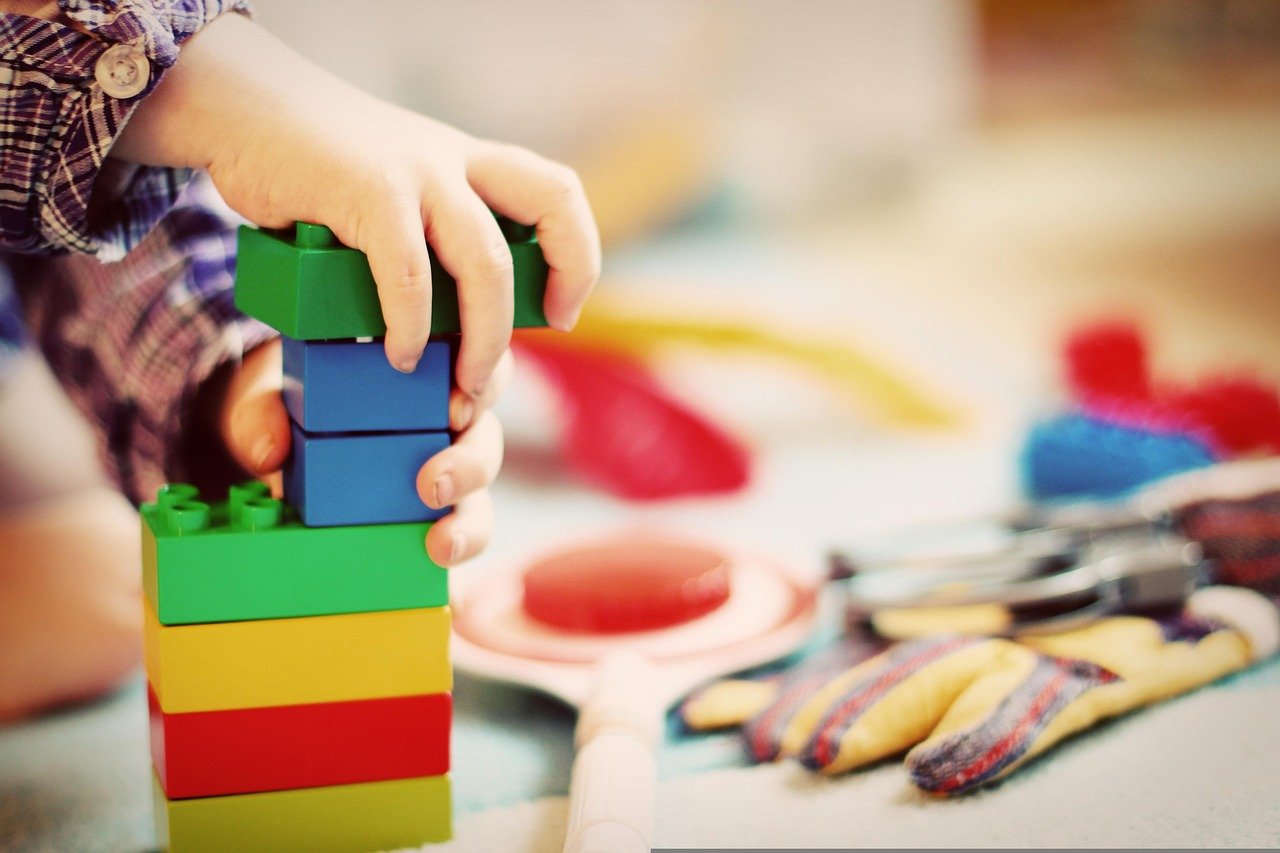
Across cities and towns, a small but growing network of toy lenders, refurbishers and corporate take-back schemes is quietly reshaping how we treat playthings. Rather than treating outgrown toys as trash or impulse resale items, communities are building systems that keep play materials circulating: lending collections and toy libraries (often called ludotecas), charitable refurbishment programs and manufacturer-backed donation pipelines that collect, clean and redistribute used toys to schools and youth groups. The result is a practical win for equity and the environment — more kids gaining access to play and fewer plastics sent to landfill.
Why a shared supply of toys matters
Play is not frivolous. The United Nations has long recognized children’s right to play: the Committee on the Rights of the Child’s General Comment No. 17 ties play to healthy development, social participation and cultural life. Public and educational programs that increase safe, local opportunities for play therefore respond to a recognized human right as well as an educational need. ([humanrts.umn.edu](https://humanrts.umn.edu/crc/gencom17.html?utm_source=openai))
Toy libraries — staffed spaces where families can borrow, exchange or use toys on site — have existed as an international practice for decades. They were the subject of international meetings as early as 1978 and have since evolved to include everything from municipal lending collections to STEAM-focused ‘toy libraries’ that combine play and hands-on learning in schools and civic centers. Professional and academic work in education and play studies shows these spaces support social skills, imaginative play and equitable access to resources. ([iacrianca.pt](https://iacrianca.pt/wp-content/uploads/2020/07/infocedi13.pdf?utm_source=openai))
Corporate and nonprofit pipelines that keep bricks and games in play
Manufacturers and charities are also stepping into the circulation model. The LEGO Group’s Replay program offers a prominent example of how companies can help keep durable toys in use: people in the United States and Canada can ship unwanted LEGO bricks to the program free of charge, and the company’s partners clean, sort and repackage the elements for classrooms and nonprofit distributions. LEGO reports hundreds of thousands of boxes and hundreds of tons of bricks have moved through Replay, reaching hundreds of thousands of children. ([lego.com](https://www.lego.com/en-us/sustainability/replay?utm_source=openai))
LEGO’s model pairs corporate logistics with nonprofit distribution partners such as First Book and Give Back Box, which help place donated bricks into classrooms and community programs. Those partnerships show how private-sector durability — the long life of the brick itself — can be matched with public-purpose distribution to widen access to play. ([firstbook.org](https://firstbook.org/us/support-us/shop-support?utm_source=openai))
Local toy libraries and STEAM playrooms: community scale with educational reach
At the community level, councils, civic centers and nonprofits are experimenting with toy-lending models tied to learning. In Catalonia, for example, a STEAM-focused toy library project runs regular sessions in schools and civic centers to combine construction toys and guided activities that develop engineering and scientific thinking in classroom-friendly ways. These local projects demonstrate how toy lending can be intentionally designed to extend curricular goals, not only free play. ([enginy-era.com](https://www.enginy-era.com/?lang=es&m=blog&utm_source=openai))
Academic reviews and recent research syntheses find toy libraries do more than save families money: they create neutral, supervised spaces where children meet peers, try different materials, and where caregivers can learn play-based techniques. In many regions, toy libraries have expanded in response to urban pressures — smaller homes, fewer private yards and the rising cost of toys — offering shared, rotating inventories that help families access a wide variety of play experiences without owning everything. ([researchgate.net](https://www.researchgate.net/publication/383487940_La_calidad_de_los_procesos_de_participacion_familiar_en_las_ludotecas_como_elemento_de_adaptacion_a_entornos_dinamicos?utm_source=openai))
Repair, second-hand shops and circular thinking
Beyond lending and donation schemes, repair cafés and second-hand toy shops are part of the same pattern: they extend useful life, teach material literacy and create local jobs. Smaller businesses that clean, sort and repackage toys for resale or donation create hands-on micro-economies where volunteers and staff decide what can be fixed, what can be reused and what must be retired. Those human decisions — about safety, hygiene and play value — are essential to any safe circular program for items used by children.
What’s next: scale without losing care
Scaling toy circulation requires practical systems: clear safety rules, dedicated cleaning and sorting capacity, and distribution partners who understand classroom needs. Programs that combine manufacturer logistics (easy, prepaid shipping), nonprofit placement networks and local toy-lending hubs can multiply the payoff: fewer plastics in landfill, lower cost of play for families, and more equitable access for classrooms and youth programs.
For families, the takeaway is simple: when a cherished set no longer fits your life, the best options may be to donate or pass it into a local lending collection rather than toss it. For communities and policymakers, investing in modest infrastructure — a sorting room, storage, a trained toy librarian — can yield outsized returns in child wellbeing and waste reduction.
Where to learn more
- LEGO Replay — pack, print a prepaid label and ship unwanted bricks for cleaning and redistribution. ([lego.com](https://www.lego.com/en-us/sustainability/replay?utm_source=openai))
- Research and conference histories for toy libraries show the practice is international and has been organized for decades. ([iacrianca.pt](https://iacrianca.pt/wp-content/uploads/2020/07/infocedi13.pdf?utm_source=openai))
- The Committee on the Rights of the Child frames play as a right that public policy should support. ([humanrts.umn.edu](https://humanrts.umn.edu/crc/gencom17.html?utm_source=openai))
The movement to keep toys in play is still decentralized, but the pattern is clear: when communities, charities and companies work together to clean, repair, lend and redistribute play materials, they multiply the social and environmental value of every toy.